
Ad mediation is changing the way mobile game developers make money from ads. Many believe it is just about connecting to more ad networks, but that only scratches the surface. The real surprise is that ad mediation can boost advertising revenue by up to 40 percent simply by picking the highest paying network for every impression, and this twist is quietly reshaping mobile gaming profits.
Table of Contents
- Defining Ad Mediation: The Core Concept
- The Importance Of Ad Mediation In Mobile Gaming
- How Ad Mediation Works: A Logical Breakdown
- Key Concepts And Terminology In Ad Mediation
Quick Summary
| Takeaway | Explanation |
|---|---|
| Ad mediation boosts revenue potential | It enables developers to access multiple ad networks, maximising profitability through competitive bidding. |
| User experience remains a priority | Ad mediation helps maintain non-intrusive ads that promote user engagement without disrupting gameplay. |
| Centralised SDK simplifies integration | A single Software Development Kit connects developers to various networks, reducing technical complexities. |
| Dynamic ad selection enhances performance | The platform automatically chooses the best-performing ads based on real-time metrics, ensuring top eCPM. |
| Robust analytics improve strategies | Comprehensive reporting tools provide insights into ad performance, allowing for better decision-making in monetisation. |
Defining Ad Mediation: The Core Concept
Ad mediation represents a sophisticated mobile advertising strategy that simplifies how mobile game developers manage and optimise multiple ad networks simultaneously. At its fundamental core, ad mediation provides a centralised platform that connects app publishers with numerous advertising sources, enabling more strategic and efficient ad monetisation.
Understanding the Fundamental Mechanism
The primary purpose of ad mediation is to help mobile game developers maximise their advertising revenue by intelligently routing ad requests through multiple networks. Instead of manually integrating and managing numerous ad network SDKs, developers can use a single mediation platform that automatically selects the most profitable ad network for each impression.
Key Features of Ad Mediation Platforms:
- Automatic ad network selection based on real-time performance metrics
- Unified SDK integration reducing development complexity
- Comprehensive reporting and analytics across different ad networks
The Strategic Advantages
According to mobile advertising research, ad mediation platforms solve critical challenges in mobile game monetisation. They enable developers to access a wider pool of advertisers, compare network performance, and optimise revenue streams without significant technical overhead.
For mobile game developers seeking to understand ad optimization, ad mediation represents a crucial strategy. By providing a transparent, efficient mechanism for managing advertising inventory, these platforms transform how games generate revenue through strategic ad placements.
The primary benefit lies in its ability to dynamically allocate ad impressions to networks offering the highest eCPM (effective cost per thousand impressions), ensuring developers maximise their potential earnings while maintaining a seamless user experience.
The Importance of Ad Mediation in Mobile Gaming
Ad mediation has become a critical component in mobile gaming monetisation strategies, transforming how developers generate revenue and manage advertising ecosystems. By offering a sophisticated approach to ad network management, it addresses several fundamental challenges that game developers encounter in the competitive mobile gaming marketplace.
Maximising Revenue Potential
The core significance of ad mediation lies in its ability to optimise advertising revenue streams. Game developers can leverage multiple ad networks simultaneously, ensuring they always display the most profitable advertisements. This dynamic approach means developers are no longer constrained by the limitations of a single ad network, but can instead access a broader, more lucrative advertising marketplace.
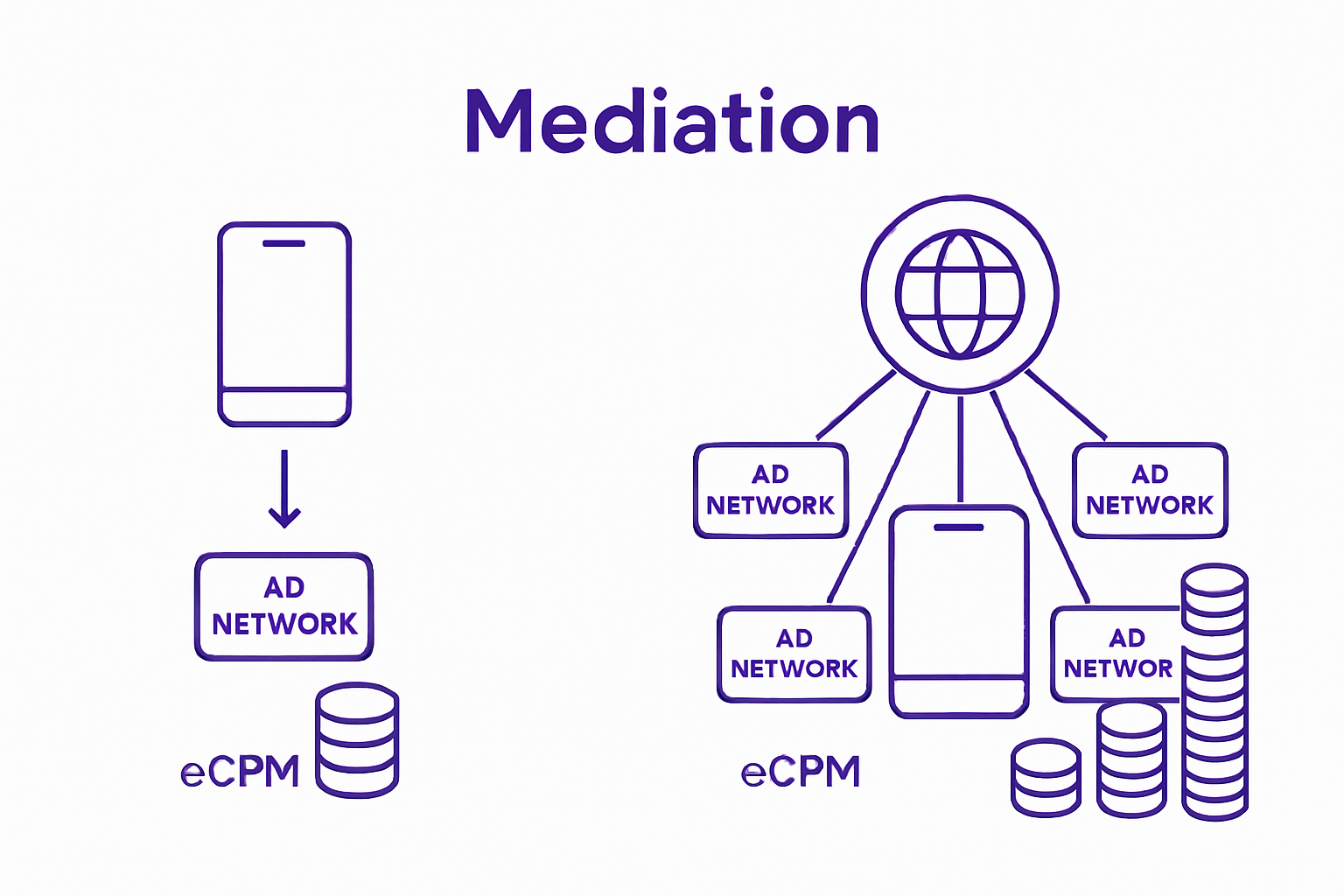
Strategic Revenue Advantages:
- Increased earning potential through network competition
- Reduced dependency on single advertising sources
- Enhanced flexibility in ad network selection
User Experience and Monetisation Balance
According to global mobile advertising research, high-quality ad experiences are crucial for maintaining user engagement. Ad mediation platforms enable developers to implement non-intrusive advertisements that do not compromise gameplay quality. By carefully selecting and rotating ad networks, developers can maintain a delicate balance between monetisation and user satisfaction.

For developers looking to understand ad placement strategies, ad mediation represents a sophisticated approach to integrating advertisements seamlessly within game environments. The technology allows for intelligent ad serving that considers factors like user demographics, game context, and real-time performance metrics.
Ultimately, ad mediation empowers mobile game developers to transform advertising from a potential user irritant into a strategic revenue generation tool, creating a win-win scenario for both developers and players.
How Ad Mediation Works: A Logical Breakdown
Ad mediation operates through a sophisticated technological framework that enables seamless communication and management across multiple advertising networks. By implementing intelligent routing algorithms, these platforms create a sophisticated ecosystem for mobile game developers to optimise their advertising strategies.
The Technical Infrastructure
At its core, ad mediation functions through a unified Software Development Kit (SDK) that connects game applications with multiple ad networks. When a game requests an advertisement, the mediation platform evaluates various networks based on predefined parameters such as eCPM (effective cost per thousand impressions), fill rates, and historical performance metrics.
Key Technical Components:
- Centralised SDK integration
- Real-time network performance evaluation
- Automated ad network selection mechanism
- Advanced analytics and reporting tools
Intelligent Network Selection Process
According to mobile advertising research, the ad mediation platform employs a waterfall or parallel bidding approach to maximise revenue potential. In the waterfall method, ad networks are prioritised sequentially based on their historical performance, while parallel bidding allows simultaneous network competition for each ad impression.
For developers seeking to understand ad monetization strategies, this process represents a dynamic solution to advertising inventory management. The platform continuously learns and adapts, using machine learning algorithms to refine network selection criteria and improve overall monetisation efficiency.
The mediation platform’s advanced algorithms ensure that developers receive the most profitable ad impressions while maintaining a high-quality user experience, transforming advertising from a potential disruption into a strategic revenue generation tool.
Key Concepts and Terminology in Ad Mediation
Navigating the world of ad mediation requires understanding a specific set of technical and strategic terminology that defines how mobile game developers manage advertising ecosystems. These specialised terms provide insights into the complex mechanisms driving modern mobile game monetisation strategies.
Core Technical Terminology
Ad mediation introduces several critical technical concepts that developers must comprehend to effectively leverage these platforms. eCPM (effective cost per thousand impressions) represents a fundamental metric that measures the potential revenue generated per thousand ad impressions. Fill rate indicates the percentage of ad requests successfully filled by ad networks, which directly impacts a developer’s potential earnings.
Essential Technical Terms:
- SDK (Software Development Kit)
- Waterfall method
- Parallel bidding
- Impression tracking
- Real-time bidding
Strategic Advertising Concepts
According to mediation process guidelines, understanding the strategic elements of ad mediation is crucial. Network prioritisation involves ranking ad networks based on historical performance, revenue potential, and user engagement metrics. Inventory management refers to the process of optimising ad placements across different networks to maximise revenue while maintaining a positive user experience.
For developers interested in exploring ad network strategies, comprehending these nuanced terms becomes essential. Yield optimisation emerges as a critical concept, representing the continuous process of refining ad delivery mechanisms to enhance overall monetisation efficiency.
Mastering these key concepts transforms ad mediation from a complex technical process into a strategic tool for mobile game developers, enabling more intelligent and profitable advertising ecosystems.
To clarify essential terminology in ad mediation, the following table organises key technical terms and their concise definitions for quick reference.
| Term | Definition |
|---|---|
| SDK (Software Development Kit) | A set of tools and libraries that enables developers to integrate ad networks into their mobile games. |
| eCPM | Effective Cost Per Mille; estimates revenue earned per thousand ad impressions. |
| Fill rate | The percentage of ad requests successfully filled by ad networks. |
| Waterfall method | A prioritisation system where ad networks are checked sequentially based on historical performance. |
| Parallel bidding | A method where multiple ad networks bid simultaneously for each ad impression. |
| Impression tracking | Monitoring when an ad impression is served to measure performance and revenue. |
| Real-time bidding | Automated auctions allowing ad networks to bid on impressions in real time. |
Unlock the True Power of Ad Mediation and Playable Ads
Are you tired of the complicated processes and technical headaches that come with maximising ad revenue in mobile gaming? As highlighted in this article, effective ad mediation can help you select the best ad networks and optimise your fill rate and eCPM. Yet, many developers still face the challenge of creating high-quality playable ads without spending too much time or budget.
Explore successful publishing strategies and see how you can take control of your ad monetisation.
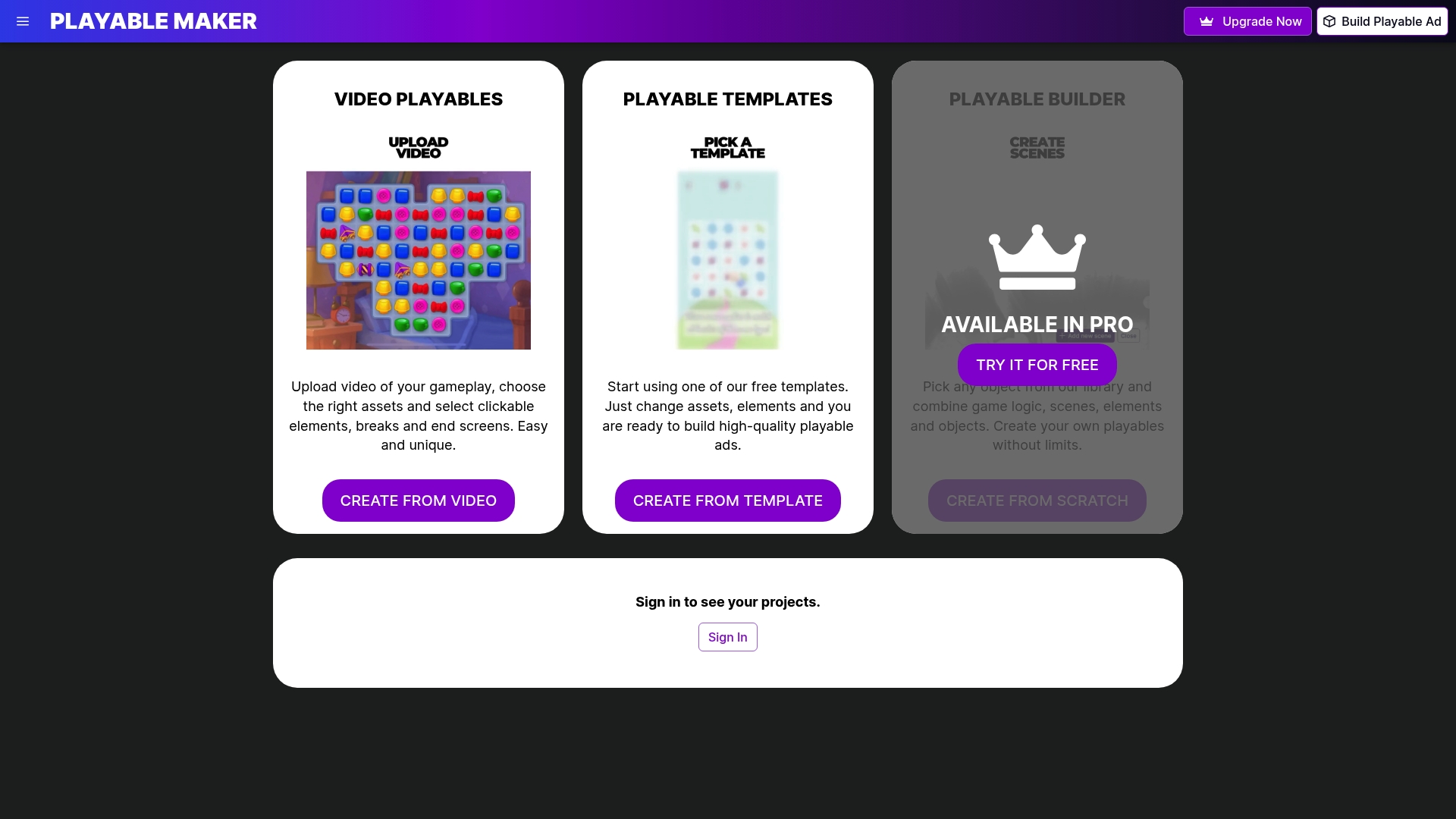
Take the next step and experience a no-code solution that lets you build interactive ads rapidly. At PlayableMaker, you can effortlessly create cost-effective playable ads that fit seamlessly with your monetisation strategy. Do not allow technical limitations to hold your game back. Try our platform today and transform your ad mediation efforts into real revenue growth. Still have questions or need help? Visit our Help Centre for guidance.
Frequently Asked Questions
What is ad mediation in mobile gaming?
Ad mediation is a mobile advertising strategy that allows developers to manage and optimise multiple ad networks from a single platform, helping to maximise advertising revenue.
How does ad mediation increase advertising revenue for developers?
Ad mediation dynamically routes ad requests through various networks based on real-time performance metrics, ensuring that developers always display the most profitable advertisements, thereby maximising their earnings.
What are the key benefits of using an ad mediation platform?
Ad mediation platforms provide increased earning potential, reduced dependency on single ad sources, and better ad network selection flexibility, allowing developers to optimise their monetisation strategies effectively.
How does the intelligent network selection process work in ad mediation?
The intelligent network selection process utilises algorithms to evaluate ad networks based on metrics like eCPM and fill rate, employing methods such as the waterfall or parallel bidding approach to optimise revenue potential and user experience.
Recommended
- What Is an Ad Network? Understanding Ad Networks in Mobile Gaming – playablemaker.com What Is an Ad Network? Understanding Ad Networks in Mobile Gaming
- Understanding What is Ad Placement in Mobile Gaming – playablemaker.com Understanding What is Ad Placement in Mobile Gaming
- Understanding What is Ad Monetization in Mobile Gaming – playablemaker.com Understanding What is Ad Monetization in Mobile Gaming
- Understanding Ad Audience Targeting in Mobile Gaming – playablemaker.com Understanding Ad Audience Targeting in Mobile Gaming