
Mobile game developers are turning free downloads into steady income by weaving ads directly into players’ experiences. Here is the surprising part. Some games earn 90 percent of their revenue just from in-game advertising, without charging anything up front. This flips the idea of pay-to-play on its head and makes watching ads a powerful driver of growth and creativity in mobile gaming.
Table of Contents
- Defining Ad Monetization And Its Core Concepts
- The Importance Of Ad Monetization In Mobile Gaming
- How Ad Monetization Works: Mechanisms And Models
- Exploring Different Types Of Ad Formats And Their Usage
- Evaluating The Impact Of Ad Monetization On User Experience
Quick Summary
| Takeaway | Explanation |
|---|---|
| Ad monetization enables free gaming | Developers can offer free games while generating revenue through advertisements, making gaming accessible to more users. |
| User experience is key to success | Balancing ad frequency and relevance keeps players engaged; excessive ads can lead to frustration and abandonment. |
| Diverse ad formats enhance player engagement | Implementing various ad types, such as rewarded videos and interstitials, can provide in-game benefits and enhance revenue. |
| Player psychology influences ad effectiveness | Understanding how players perceive ads and their potential rewards is essential for maximizing engagement and retention. |
| Collaboration with ad networks is crucial | Developers must work with ad networks to optimize ad placements and integrate them seamlessly for better monetization outcomes. |
Defining Ad Monetization and Its Core Concepts
Ad monetization represents a strategic approach where mobile game developers generate revenue by integrating advertisements into their gaming experiences. This method transforms digital interactions into financial opportunities, allowing developers to offer games for free while creating sustainable income streams.
The Fundamental Mechanics of Ad Revenue
At its core, ad monetization operates through a straightforward mechanism: game developers partner with advertising networks to display targeted advertisements within their mobile gaming applications. Learn more about strategic ad integration to understand how these systems work seamlessly.
The revenue generation typically follows several key models:
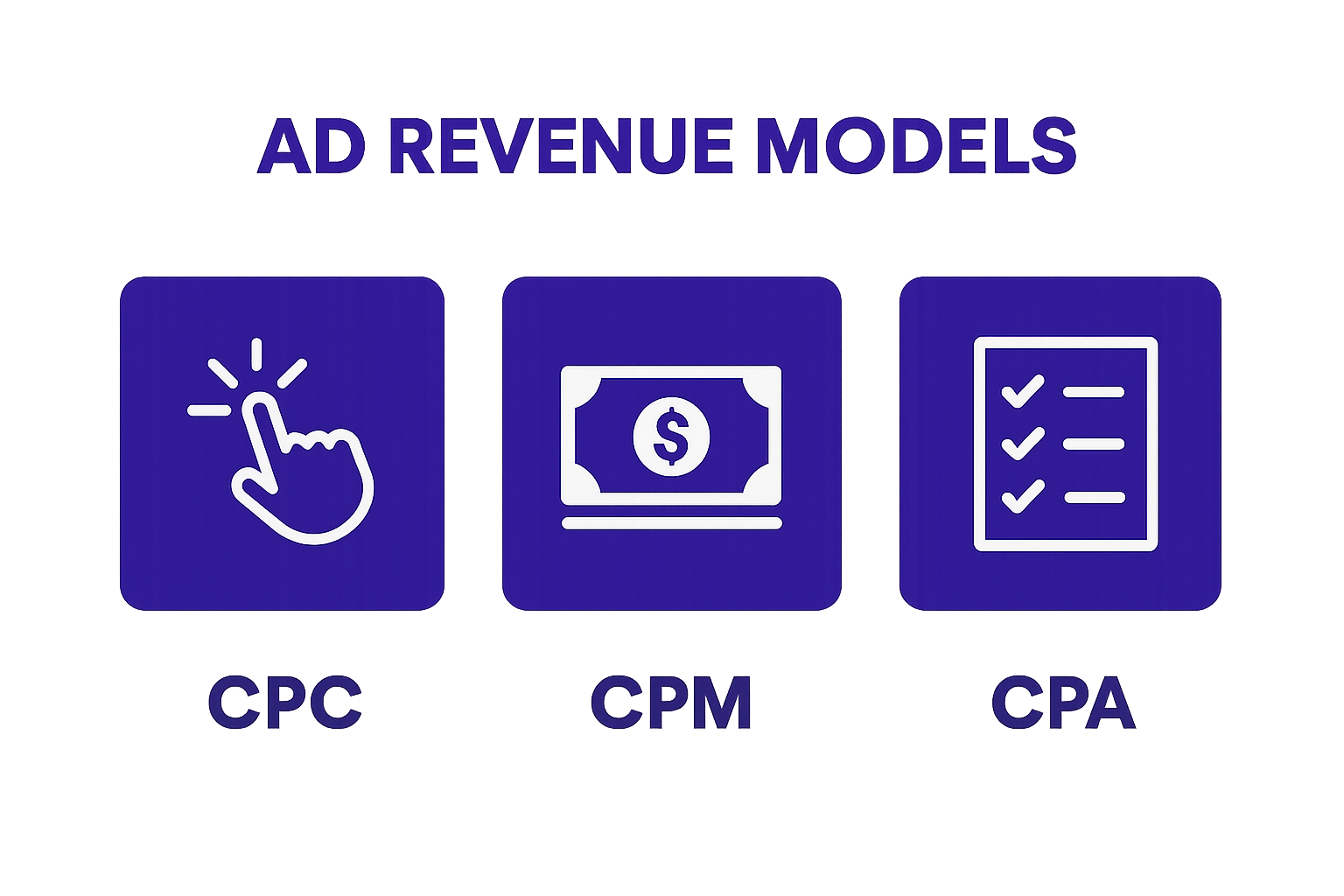
- Cost Per Mille (CPM): Developers earn money based on every thousand ad impressions
- Cost Per Click (CPC): Revenue is generated when users actively interact with the advertisement
- Cost Per Action (CPA): Developers receive payment when users complete specific actions after viewing an ad
Psychological and Strategic Considerations
Successful ad monetization goes beyond mere placement. According to research published by the National Center for Biotechnology Information, understanding player psychology is crucial. Players are more likely to tolerate advertisements that are:
- Contextually relevant to the game
- Non-intrusive to gameplay experience
- Offering potential in-game rewards
Developers must carefully balance advertisement frequency and user experience to maintain player engagement. Intrusive or excessive ads can lead to player frustration and potential app abandonment, ultimately undermining the monetization strategy.
Understanding ad monetization requires recognizing it as a delicate ecosystem where user experience, game design, and revenue generation must coexist harmoniously. By implementing thoughtful, strategic approaches, mobile game developers can create sustainable economic models that benefit both players and creators.
The Importance of Ad Monetization in Mobile Gaming
Ad monetization has become a critical strategy for mobile game developers, transforming the economic landscape of digital entertainment. By providing free games while generating sustainable revenue, this approach has revolutionised how developers create and distribute interactive experiences.
Economic Sustainability for Game Developers
Mobile game development requires significant investment in design, programming, and ongoing maintenance. Explore the evolution of game monetization strategies to understand how advertising has become a lifeline for independent and established developers alike.
The economic benefits of ad monetization are substantial:
- Low Entry Barrier: Developers can generate income without charging upfront game costs
- Continuous Revenue Stream: Ongoing ad interactions create predictable income
- Global Market Accessibility: Advertisements enable games to reach international audiences
Player Experience and Economic Dynamics
According to research from the Association for Computing Machinery, player spending behaviours are intrinsically linked to monetization strategies. Successful ad integration depends on maintaining a delicate balance between revenue generation and user engagement.
Players increasingly prefer free-to-play models with optional advertisements over paid game experiences. This preference has fundamentally reshaped mobile gaming economics, creating an ecosystem where:
- Users can access high-quality games without financial commitment
- Developers receive compensation for their creative efforts
- Advertisers gain targeted exposure to engaged audiences
The symbiotic relationship between players, developers, and advertisers demonstrates how ad monetization has become more than a revenue strategy—it is now a fundamental component of mobile gaming’s economic infrastructure. By understanding and respecting user experience, developers can create sustainable monetization models that benefit all stakeholders.
How Ad Monetization Works: Mechanisms and Models
Ad monetization in mobile gaming operates through complex technological and economic systems designed to generate revenue while maintaining player engagement. The intricate mechanisms transform digital interactions into financial opportunities for game developers.
Ad Network Integration and Technical Infrastructure
Explore advanced ad placement techniques to understand the technical foundations of mobile game advertising. Game developers collaborate with advertising networks that provide sophisticated platforms connecting game publishers with potential advertisers.
The technical infrastructure supporting ad monetization involves several critical components:
- Ad Serving Technology: Real-time systems that select and display appropriate advertisements
- Tracking and Analytics: Mechanisms measuring ad performance and user interactions
- Programmatic Bidding: Automated processes determining advertisement placement and pricing
Revenue Generation Models
According to research from the Association for Computing Machinery, mobile game monetization strategies have evolved to include multiple revenue generation approaches. Diversified monetization allows developers to maximise income through various advertisement types:
- Rewarded Video Ads: Players receive in-game benefits for watching complete advertisements
- Interstitial Ads: Full-screen advertisements appearing during natural game transition points
- Banner Ads: Smaller, less intrusive advertisements displayed within game interfaces
- Playable Ads: Interactive advertisement formats allowing users to preview other games
These models create a dynamic ecosystem where advertisers reach targeted audiences, players receive value-added experiences, and developers generate sustainable revenue. The success of ad monetization hinges on maintaining a delicate balance between commercial objectives and user experience, ensuring that advertisements enhance rather than disrupt the gaming environment.
Exploring Different Types of Ad Formats and Their Usage
Mobile game advertising encompasses diverse formats designed to engage players while generating revenue. Each advertisement type offers unique advantages and challenges, requiring strategic implementation to maximise user experience and monetisation potential.
Core Advertisement Formats
Discover the nuances of ad format selection to optimise your mobile game’s monetisation strategy. Game developers must carefully select advertisement types that align with their specific gameplay mechanics and user engagement goals.
The primary advertisement formats include:
- Banner Ads: Compact, rectangular advertisements displayed within game interfaces
- Interstitial Ads: Full-screen advertisements appearing during natural gameplay transitions
- Rewarded Video Ads: Optional video advertisements offering players in-game rewards
- Playable Ads: Interactive advertisement experiences allowing users to preview other games
Strategic Considerations and User Experience
According to research from the Android Developers guide, successful ad integration depends on understanding user experience and matching advertisement formats to gameplay dynamics.
Developers must consider several critical factors when implementing advertisements:
- Placement Timing: Selecting optimal moments that minimally disrupt gameplay
- Frequency Management: Balancing advertisement exposure to prevent user frustration
- Reward Mechanisms: Creating meaningful incentives for advertisement engagement
- Visual Consistency: Ensuring advertisements complement the game’s aesthetic design
The most effective ad monetisation strategies treat advertisements as potential value additions rather than intrusive interruptions. By carefully selecting and implementing advertisement formats that enhance rather than detract from the gaming experience, developers can create sustainable revenue streams while maintaining player satisfaction.
Below is a table comparing the main advertisement formats used in mobile gaming, outlining their core characteristics and user experience considerations.
| Ad Format | Core Characteristics | User Experience Considerations |
|---|---|---|
| Banner Ads | Compact, rectangular ads within game interfaces | Low intrusiveness; risk of banner blindness |
| Interstitial Ads | Full-screen ads during natural gameplay transitions | High visibility; may disrupt flow |
| Rewarded Video Ads | Optional videos offering in-game rewards | Positive engagement through incentives |
| Playable Ads | Interactive ads allowing game previews | Highly engaging; preview other games |
Evaluating the Impact of Ad Monetization on User Experience
Ad monetization presents a complex challenge for mobile game developers, requiring careful navigation between revenue generation and maintaining player engagement. The delicate balance between commercial objectives and user satisfaction determines the long-term success of any mobile gaming strategy.
Psychological Dimensions of Advertisement Interaction
Learn more about optimising player interaction with in-game advertisements. The psychological impact of advertisements extends beyond simple monetary transactions, influencing player motivation, emotional responses, and overall gaming experience.
Key psychological factors affecting user perception include:
- Perceived Value: Players assess whether advertisement interactions provide meaningful benefits
- Interruption Tolerance: The extent to which advertisements disrupt gameplay flow
- Reward Expectations: Player anticipation of potential in-game benefits from advertisement engagement
Measuring User Experience and Retention
According to research from the National Center for Biotechnology Information, advertisement effectiveness is intrinsically linked to how seamlessly they integrate with the gaming experience. User experience metrics provide critical insights into the impact of ad monetization:
- Retention Rates: Tracking player retention after introducing different advertisement formats
- Engagement Metrics: Measuring player interaction with advertisements
- Emotional Response: Evaluating player sentiment towards advertisement experiences
Successful ad monetization transcends mere revenue generation. It requires a nuanced understanding of player psychology, carefully designing advertisement experiences that feel like natural extensions of the gaming environment rather than intrusive interruptions. By prioritising player experience and implementing thoughtful, user-centric advertisement strategies, developers can create sustainable monetization models that benefit both players and game creators.

Transform Your Ad Monetisation Strategy with PlayableMaker
If you have struggled with the complexity and high costs of creating engaging playable ads for mobile games, you are not alone. The article highlighted how balancing strong monetisation models with user experience demands technical skill, time and significant resources. Traditional methods often drain budgets and overwhelm your team with lengthy development cycles.
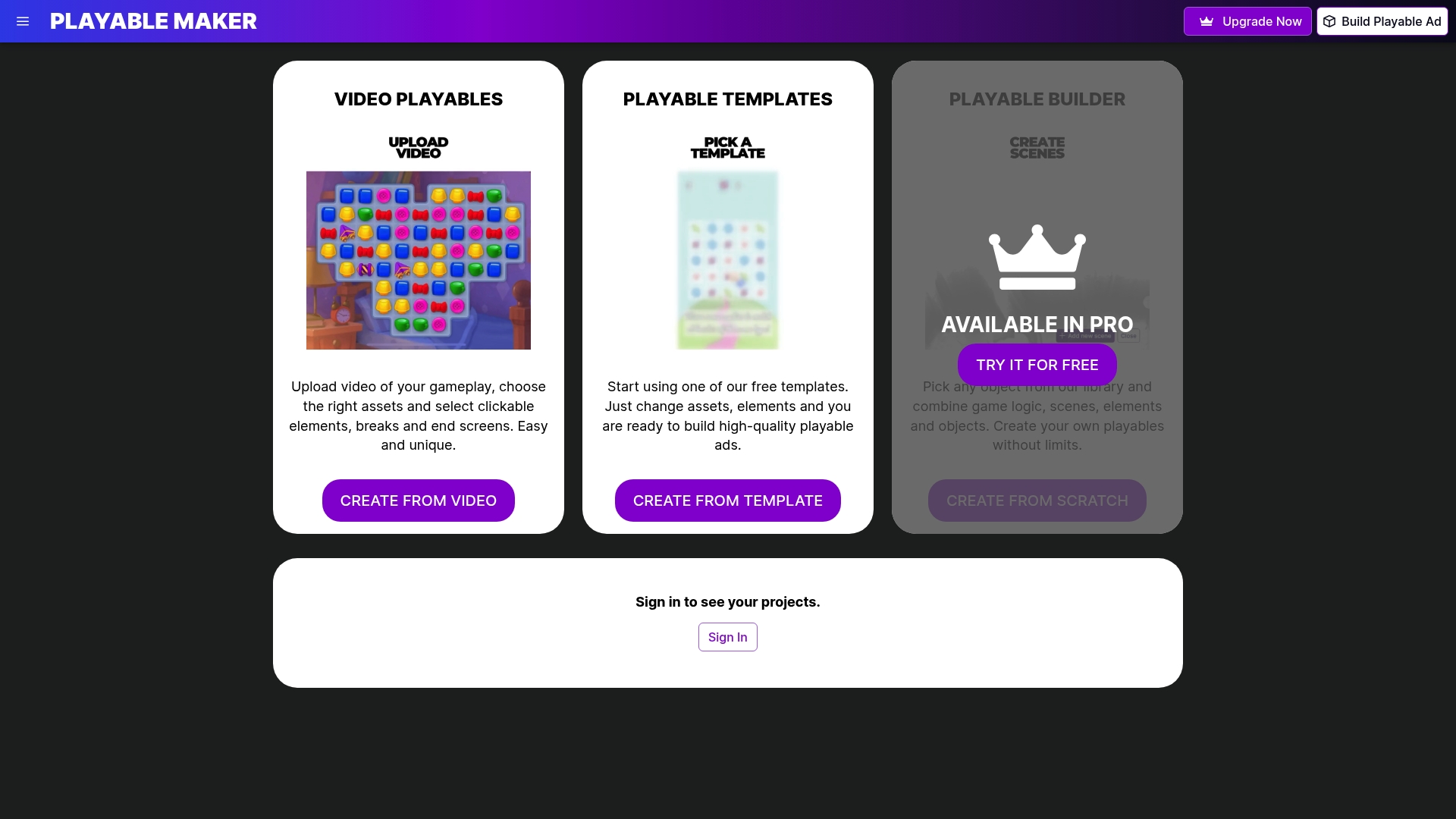
What if you could skip the hassle and launch quality interactive ads at record speed, no coding needed? Discover how PlayableMaker lets you build interactive ads quickly and affordably. Now you can unlock sustainable revenue streams while keeping your players happy. For more guidance on effective publishing and getting your ads in front of the right audience, visit our Publishing hub. Stop letting resource constraints limit your ad monetisation potential. Join PlayableMaker and experience the new standard in ad creation today.
Frequently Asked Questions
What is ad monetization in mobile gaming?
Ad monetization in mobile gaming refers to the strategy where game developers generate revenue by integrating advertisements into their games, allowing them to offer free experiences while creating income streams.
What are the common models of ad monetization?
Common models of ad monetization include Cost Per Mille (CPM), where developers earn money per thousand ad impressions; Cost Per Click (CPC), where revenue is generated when users click on an ad; and Cost Per Action (CPA), which involves payment when users complete specific actions after viewing an ad.
The following table summarises the most common ad monetisation models in mobile gaming, providing a concise definition and describing how each model generates revenue for developers.
| Monetisation Model | Definition | Revenue Trigger |
|---|---|---|
| Cost Per Mille (CPM) | Payment for every 1,000 ad impressions | Ad displayed to users 1,000 times |
| Cost Per Click (CPC) | Earnings from user clicks on advertisements | User clicks on an advertisement |
| Cost Per Action (CPA) | Payment when specified user actions are completed | User completes an action after engaging with ad |
How do ad formats impact user experience in mobile games?
Ad formats can significantly impact user experience; well-placed advertisements can enhance engagement by providing value, while poorly integrated or intrusive ads can lead to player frustration and abandonment of the game.
What factors should developers consider when integrating ads into their games?
Developers should consider factors such as placement timing, frequency management, reward mechanisms for ad engagement, and visual consistency with the game’s aesthetic to ensure that advertisements enhance the player experience.
Recommended
- The Evolution of Mobile Game Monetization
- Understanding What is Ad Placement in Mobile Gaming
- Understanding What is Ad Format in Mobile Gaming
- Understanding What is User Acquisition in Mobile Gaming