Interest Facebook Ads are quietly powering mobile gaming’s biggest growth stories. Personalised campaigns can achieve five to eight times the return on investment compared to traditional broad-reach strategies. That sounds like cutting-edge technology, but the real shock is how these ads connect to what people genuinely care about, not just what marketers guess. Savvy advertisers are no longer guessing who plays their games. They are using data to reach exactly the right players in ways that feel more like a helpful nudge than a sales pitch.
Table of Contents
- What Are Interest Facebook Ads?
- The Importance Of Targeted Advertising
- How Interest Targeting Enhances Campaign Effectiveness
- Key Concepts Behind Facebook’s Interest Targeting
- Real-World Applications In Mobile Gaming Marketing
Quick Summary
| Takeaway | Explanation |
|---|---|
| Interest targeting enhances ad precision | This approach allows marketers to connect with audiences based on specific behaviours and preferences. |
| Psychological targeting boosts engagement | Ads tailored to user interests transform from interruptions to relevant discoveries, increasing overall user interaction. |
| Lower costs through focused advertising | Interest-based ads significantly reduce customer acquisition costs by targeting likely-engaged users. |
| Genre-specific strategies improve conversions | Tailored ads for different gaming genres resonate more deeply with specific player types, enhancing conversion potential. |
| Data-driven insights inform better campaigns | Understanding user interests through data enables marketers to create relevant and effective advertising strategies. |
What are Interest Facebook Ads?
Interest Facebook ads represent a sophisticated targeting mechanism that allows marketers to reach specific audience segments based on their digital behaviours, preferences, and engagement patterns. Facebook’s advertising platform enables precise audience segmentation by leveraging user-generated data from their interactions across the social media ecosystem.
The Mechanics of Interest Targeting
At its core, interest Facebook ads work by connecting advertisers with potential consumers who have demonstrated specific online interests. These interests are determined through multiple data points:
- Pages users have liked
- Content they frequently engage with
- Groups they participate in
- Posts they comment on or share
- Websites they visit through Facebook pixel tracking
For mobile gaming marketers, this means the ability to target players who have shown genuine enthusiasm for specific game genres, gaming platforms, or related digital entertainment content. The precision of this targeting method allows for highly customised advertising experiences that significantly improve conversion potential.
Strategic Value for Mobile Game Marketing
Understanding interest Facebook ads becomes crucial when considering the competitive landscape of mobile gaming. By understanding user acquisition strategies, game developers can create laser-focused advertising campaigns that speak directly to their most promising audience segments.
These ads transcend traditional demographic targeting by diving deep into psychological and behavioural indicators. A strategy game developer, for instance, can target users who have demonstrated interest in strategy games, military history, or complex problem-solving content, ensuring that their advertising budget is spent reaching genuinely interested potential players.
The granularity of interest-based targeting transforms mobile game marketing from a broad, scattergun approach to a precision-guided strategy that maximises return on advertising investment.
Below is a table comparing demographic, behavioural, and interest-based targeting methods as discussed within mobile gaming marketing. This helps clarify the advantages of interest targeting vs. other approaches.
| Targeting Method | Basis for Targeting | Level of Precision | Example in Mobile Gaming |
|---|---|---|---|
| Demographic Targeting | Age, gender, location, income | Low | Targeting males aged 18-34 in the UK |
| Behavioural Targeting | Online actions, purchase history, app usage | Medium | Users who have installed similar games |
| Interest-Based Targeting | Expressed interests, engagements, preferences | High | Users interested in strategy games or puzzle games |
The Importance of Targeted Advertising
Targeted advertising represents a quantum leap in marketing effectiveness, transforming how businesses connect with potential consumers. Research from McKinsey & Company indicates that personalised marketing approaches can deliver five to eight times the return on investment compared to traditional broad-reach campaigns.
Precision and Cost Efficiency
In mobile gaming, where user acquisition costs are notoriously high, targeted advertising becomes a critical strategic tool. By focusing advertising efforts on audiences most likely to engage with a specific game, developers can dramatically reduce wasted ad spend. The key advantages include:
- Lower customer acquisition costs
- Higher conversion rates
- More efficient use of marketing budgets
- Enhanced user experience through relevant content
Targeted advertising allows game developers to move beyond demographic generalisations and connect with players based on nuanced behavioural signals and genuine interests. This approach means marketing resources are allocated with surgical precision.

Psychological and Behavioural Targeting
Beyond mere cost efficiency, targeted advertising taps into sophisticated psychological mechanisms. Understanding ad audience targeting reveals that consumers are more responsive when advertisements feel personally relevant. When an ad appears to understand a user’s specific interests, preferences, and gaming habits, it transforms from an interruption to a potential discovery.
For mobile game marketers, this means crafting experiences that feel less like advertisements and more like personalised recommendations. A strategy game enthusiast, for instance, will be far more likely to engage with an ad showcasing a complex, tactically challenging game than a generic, broad-spectrum gaming promotion.
Ultimately, targeted advertising represents more than a marketing technique. It is a data-driven approach to understanding and responding to user preferences, creating a more intelligent, responsive ecosystem for both advertisers and consumers.
How Interest Targeting Enhances Campaign Effectiveness
Interest targeting transforms digital advertising from a scattergun approach to a precision-guided strategy. Advertising performance data demonstrates that tailored campaigns can dramatically improve engagement and conversion rates across mobile gaming marketing efforts.
Precision Performance Metrics
Interest targeting enables marketers to achieve superior campaign performance by connecting with audiences who demonstrate genuine enthusiasm for specific gaming experiences. By narrowing audience segments based on demonstrated interests, mobile game developers can create highly relevant advertising experiences that resonate deeply with potential players.
Key performance improvements include:
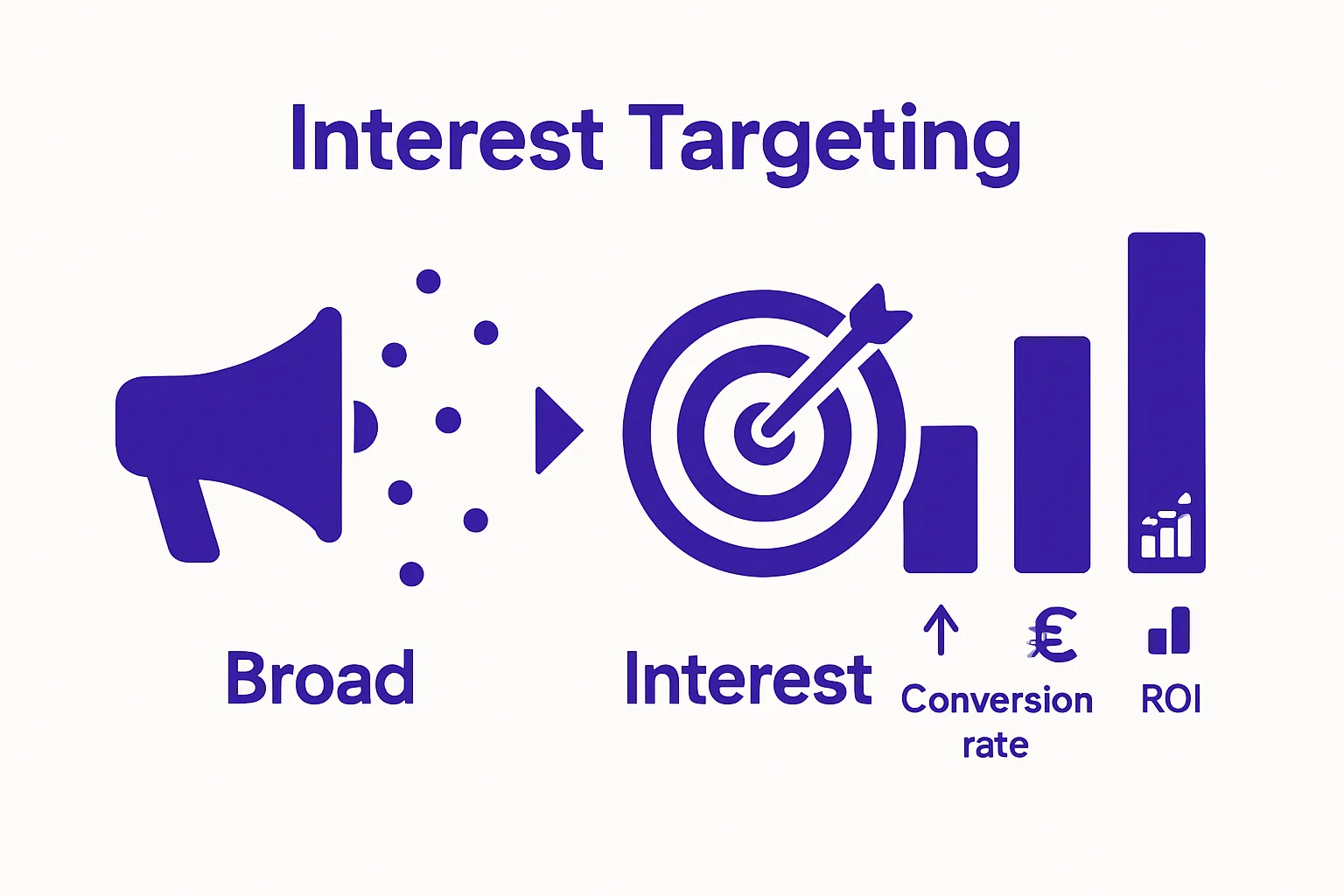
- Reduced customer acquisition costs
- Increased click-through rates
- More accurate audience matching
- Enhanced user engagement potential
- Improved overall campaign ROI
Psychological Engagement Dynamics
Beyond numerical metrics, interest targeting taps into fundamental psychological mechanisms of user engagement. Understanding ad targeting mechanics reveals that users are significantly more likely to interact with content that feels personally curated and relevant to their specific interests.
For mobile game marketers, this means moving beyond generic demographic targeting towards creating advertising experiences that feel like personalised recommendations. A strategy game enthusiast, for instance, will respond more positively to an advertisement featuring complex tactical gameplay compared to a generic gaming promotion.
Interest targeting represents more than a technical marketing approach. It is a sophisticated method of understanding user preferences, creating a more intelligent and responsive advertising ecosystem that benefits both game developers and potential players.
Key Concepts Behind Facebook’s Interest Targeting
Facebook’s advanced targeting mechanisms represent a sophisticated approach to digital advertising that goes far beyond traditional demographic segmentation. By leveraging complex data analytics and user behaviour patterns, the platform creates intricate audience profiles that enable unprecedented marketing precision.
Data Collection and Profiling
Facebook’s interest targeting relies on multiple data points collected across its extensive digital ecosystem. The platform aggregates information through various channels:
- User-declared interests on personal profiles
- Pages and content users engage with
- Groups and communities users join
- Websites visited through Facebook pixel tracking
- Application usage and interactions
These data points are transformed into comprehensive user interest maps, allowing advertisers to create highly nuanced audience segments with remarkable specificity.
The following table outlines the key data points Facebook uses for interest targeting, allowing for more precise and effective mobile gaming ad campaigns.
| Data Source | Description |
|---|---|
| User-declared interests on personal profiles | Information users list about their likes and hobbies |
| Pages and content users engage with | Interactions with specific pages, posts, and videos |
| Groups and communities users join | Membership and activity in Facebook groups |
| Websites visited through Facebook pixel tracking | Browsing activity tracked outside Facebook itself |
| Application usage and interactions | Behaviour in apps linked to users’ Facebook account |
| For mobile game marketers, this means the ability to target players based on extremely granular gaming preferences and behavioural indicators. |
Algorithmic Interest Inference
Understanding programmatic advertising mechanics reveals that Facebook’s targeting is not merely about explicit user declarations. The platform employs advanced machine learning algorithms that can infer interests and potential affinities based on complex behavioural patterns.
This means that even if a user has not explicitly stated an interest in mobile gaming, their online behaviour—such as engaging with gaming content, following gaming pages, or interacting with game-related posts—can signal potential interest to advertisers.
The sophistication of Facebook’s interest targeting transforms digital advertising from a broad approach to a precision instrument, enabling marketers to connect with audiences in increasingly intelligent and contextually relevant ways.
Real-World Applications in Mobile Gaming Marketing
Mobile game marketing strategies have evolved dramatically with the emergence of sophisticated interest targeting techniques. These advanced approaches enable game developers to connect with precisely the right audience segments, transforming user acquisition from a broad-based effort to a laser-focused strategy.
Genre-Specific Targeting Techniques
Interest-based Facebook Ads allow mobile game marketers to create highly specialised audience segments based on gaming preferences. Different game genres require unique targeting approaches:
- Strategy games can target users interested in military history, chess, and complex problem-solving
- Role-playing games might focus on fantasy literature enthusiasts and comic book fans
- Puzzle games can reach audiences who engage with brain-training content and logic challenges
- Multiplayer battle games could target users interested in competitive sports and team-based activities
These nuanced targeting strategies mean marketers can craft messages that resonate deeply with specific player archetypes, significantly improving conversion potential.
Performance Optimization Strategies
Exploring emerging mobile gaming genres reveals the critical importance of precise audience matching. By leveraging interest-based targeting, mobile game developers can dramatically reduce customer acquisition costs while improving overall campaign performance.
For instance, a strategy game developer can create ads that showcase tactical gameplay complexity, targeting users who have demonstrated interest in strategic thinking, historical simulations, and competitive planning. This approach transforms advertising from a generic broadcast to a personalised recommendation, increasing the likelihood of player engagement and long-term retention.
The sophistication of modern interest targeting represents a fundamental shift in mobile game marketing, enabling developers to move beyond demographic generalisations and connect with players through genuinely relevant, contextually precise advertising experiences.
Transform Your Mobile Game Marketing With Effortless Playable Ads Creation
Reaching the right gamers through interest-based Facebook ads is only the first step. As explored in this article, targeted advertising helps you avoid wasted budget and connect with engaged audiences. Yet, many mobile gaming studios struggle with building high-converting playable ads. The process is slow, expensive, and often demands technical developers and resources beyond what many teams can spare.
Imagine launching polished interactive ads that match the precision of your interest-based targeting—without overworking your developers or overspending. Discover our no-code platform, PlayableMaker, designed so anyone in your team can create and publish effective playable ads with ease. Dive deeper into our Publishing Archives to see how top studios bring campaigns to life at speed and scale.
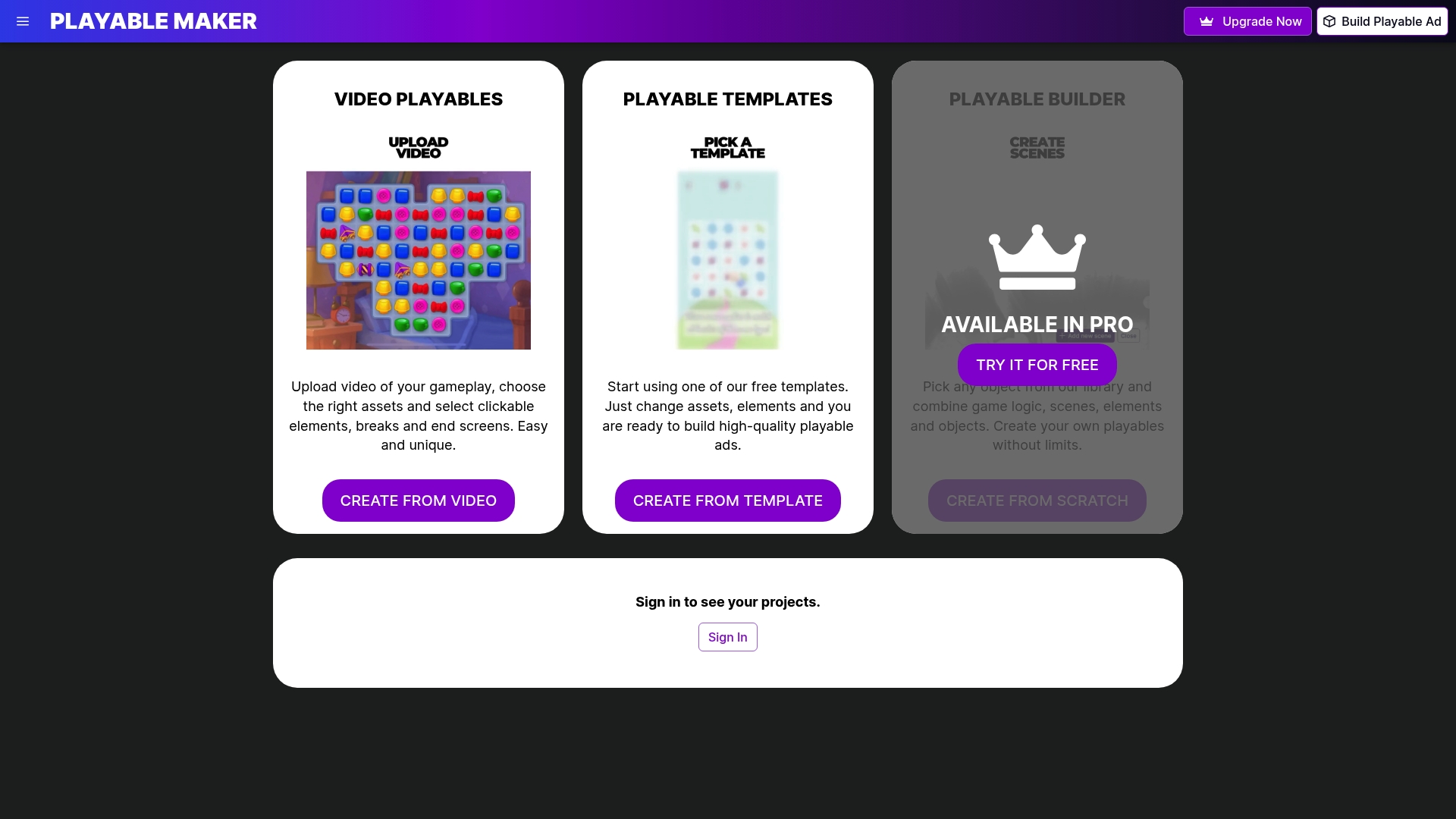
Take control of your acquisition strategy now. Start building powerful, interest-driven playable ads directly from PlayableMaker. Sign up for free and see how simple it can be to unlock higher engagement and more game installs today.
Frequently Asked Questions
What are Interest Facebook Ads?
Interest Facebook ads are a targeting mechanism that allows marketers to reach specific audience segments based on users’ digital behaviours, preferences, and engagement patterns, leveraging Facebook’s vast user-generated data.
How does Interest Targeting enhance mobile gaming marketing campaigns?
Interest targeting improves campaign effectiveness by allowing marketers to connect with audiences who have demonstrated genuine enthusiasm for specific gaming interests, leading to better engagement, lower customer acquisition costs, and higher conversion rates.
What types of data does Facebook use for interest targeting?
Facebook collects data from user interactions, including liked pages, comments, group memberships, and browsing habits through pixel tracking, to create comprehensive user interest profiles that guide targeted advertising.
Why is targeted advertising important in the mobile gaming industry?
Targeted advertising is crucial in mobile gaming because it enables developers to allocate marketing resources efficiently, reducing wasted spend and improving user engagement through ads that resonate with consumers’ specific interests.
Recommended
- Understanding Ad Audience Targeting in Mobile Gaming – playablemaker.com Understanding Ad Audience Targeting in Mobile Gaming
- 8 Key Ad Performance Metrics for Mobile Gaming Success – playablemaker.com 8 Key Ad Performance Metrics for Mobile Gaming Success
- Master YouTube Ads Targeting for Mobile Games in 2025 – playablemaker.com Master YouTube Ads Targeting for Mobile Games in 2025
- Understanding User Acquisition on Facebook – playablemaker.com Understanding User Acquisition on Facebook
- How to Effectively Reach Digital Marketing Audiences
- De rol van mobiel adverteren: begrip en inzicht – Ecomtrada | Google Ads Bureau | Den Helder