
Most advice about Facebook Ad targeting overlooks just how powerful British marketers have become at reaching specific audiences. With over 50 million businesses active on Facebook, the platform’s advertising capabilities now shape how games, brands, and organisations connect with users. Understanding the sophisticated mechanics behind demographic, interest, and behavioural targeting reveals what truly drives user engagement and results, especially for those aiming to stand out in the crowded British digital space.
Table of Contents
- What Facebook Ad Targeting Means
- Demographic, Location & Interest Targeting
- Custom And Lookalike Audience Mechanics
- Automated Advantage+ Targeting Explained
- Privacy And Regulation Constraints To Note
Key Takeaways
| Point | Details |
|---|---|
| Sophisticated Targeting Mechanisms | Facebook Ad targeting utilises complex demographic, behavioural, and interest-based parameters to deliver personalised advertising experiences. |
| Potential Limitations | Marketers must recognise that the algorithmic inference used in targeting can lead to inaccuracies in understanding user preferences. |
| Lookalike and Custom Audiences | Mobile game developers can expand their reach by using lookalike audiences to find similar users and custom audiences for retargeting existing players. |
| Privacy Compliance | Adherence to strict data protection regulations is crucial for marketers, requiring careful management of user consent and data usage to maintain trust. |
What Facebook Ad Targeting Means
Facebook Ad targeting represents a sophisticated mechanism for delivering personalised advertising experiences by segmenting potential audiences through intricate demographic, behavioural, and interest-based parameters. Mobile game user acquisition specialists leverage these targeting capabilities to connect precisely with players most likely to engage with their specific game genre or style.
The platform’s targeting methodology relies on complex algorithmic inference, which can sometimes produce unexpected results. Researchers from North Carolina State University highlighted that Facebook’s interest targeting mechanism frequently generates assumptions about user preferences based on indirect activity signals, which might not always accurately reflect genuine user intentions. This nuanced approach means marketers must understand both the platform’s capabilities and potential limitations.
Key targeting dimensions include:
- Demographic Targeting: Age, gender, location, language
- Interest-Based Targeting: Specific hobbies, game genres, entertainment preferences
- Behavioural Targeting: Previous interactions, app usage patterns, engagement history
- Custom Audience Matching: Retargeting users who have previously interacted with your game or brand
Successful mobile game user acquisition demands a granular understanding of these targeting mechanisms. Precise audience segmentation allows developers to craft hyper-relevant ad experiences that resonate with specific player archetypes, ultimately reducing acquisition costs and improving conversion rates.
Demographic, Location & Interest Targeting
Facebook’s advanced targeting capabilities enable mobile game marketers to craft highly precise audience segments through sophisticated demographic, location, and interest-based parameters. Researchers have extensively studied the nuanced mechanisms of these targeting strategies, revealing both the potential and limitations of such granular audience selection.
Demographic targeting allows advertisers to segment users based on fundamental characteristics such as age, gender, education level, and socioeconomic status. Location targeting takes this precision further by enabling marketers to narrow their audience by country, region, city, or even specific postal codes. This geographical specificity is particularly valuable for mobile game developers seeking to localise their user acquisition strategies and connect with players in specific markets.
Interest-based targeting represents the most dynamic dimension of Facebook’s ad platform. By analysing user behaviour, likes, interactions, and digital footprints, the platform generates complex profiles that help marketers identify potential players with high affinity for specific game genres or gaming experiences. Mobile game developers can leverage these intricate targeting options to:
- Reach players interested in similar game genres
- Target users with specific gaming hardware or platform preferences
- Connect with audiences demonstrating relevant lifestyle or entertainment interests
While these targeting mechanisms offer unprecedented precision, pilot studies have demonstrated their practical effectiveness in recruiting specific audience groups, marketers must remain vigilant about potential targeting inaccuracies and continually refine their audience selection strategies to maximise campaign performance.
Custom And Lookalike Audience Mechanics
Lookalike audiences represent a powerful algorithmic strategy that enables mobile game marketers to exponentially expand their user acquisition potential by discovering new potential players with characteristics remarkably similar to existing high-performing user segments. This sophisticated targeting mechanism goes beyond traditional demographic constraints by creating nuanced audience profiles based on complex behavioural patterns and engagement metrics.

Custom audiences allow marketers to upload existing player data, such as email lists or in-game user identifiers, enabling precise retargeting and re-engagement strategies. By matching these specific user profiles against Facebook’s extensive user database, developers can reconnect with lapsed players, target similar users, and create highly personalised marketing campaigns that resonate with specific player archetypes.
The mechanics of lookalike audience generation involve sophisticated machine learning algorithms that analyse multiple data points, including:
- Gameplay behaviour
- Spending patterns
- Engagement frequency
- Interaction history with previous advertisements
- Demographic and psychographic characteristics
Clinical research has demonstrated the remarkable precision of these targeting mechanisms, highlighting their potential to transform user acquisition strategies. Mobile game developers can leverage these advanced audience mechanics to dramatically reduce user acquisition costs, improve conversion rates, and build more targeted, efficient marketing campaigns that speak directly to players most likely to engage with their specific game experience.
Automated Advantage+ Targeting Explained
Behavioural targeting models have revolutionised mobile game user acquisition strategies by enabling unprecedented precision in audience segmentation. Facebook’s Advantage+ targeting represents a sophisticated machine learning approach that dynamically optimises advertising delivery based on complex algorithmic analysis of user interactions, preferences, and historical engagement patterns.
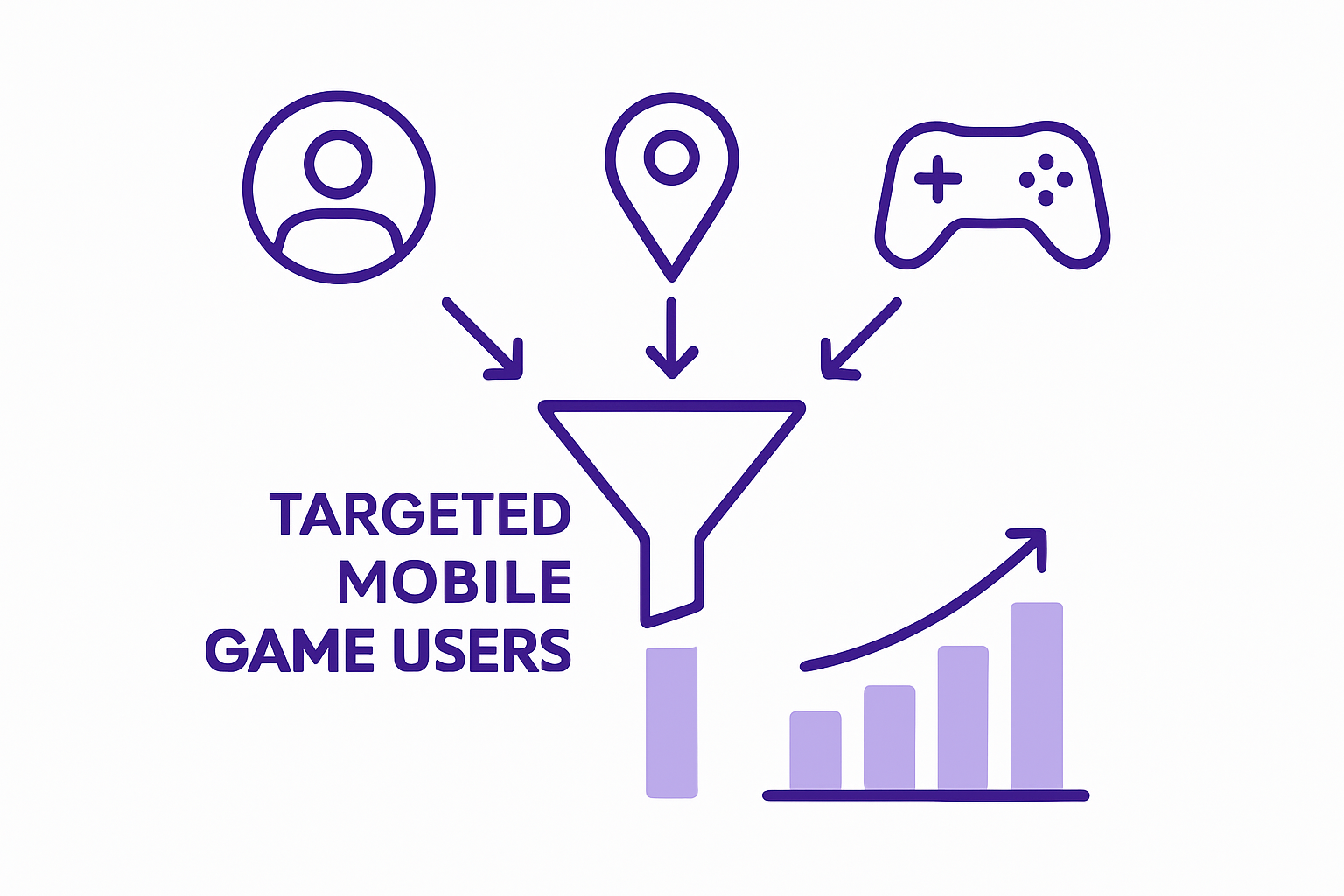
The core mechanism of Advantage+ targeting involves continuous learning and adaptation. Unlike traditional static targeting methods, this system constantly refines audience selection by analysing real-time user behaviour, game interaction metrics, and granular demographic signals. Mobile game marketers can leverage this intelligent system to automatically identify and target potential players who demonstrate the highest probability of installing and engaging with their specific game experience.
Key features of Advantage+ targeting include:
- Dynamic Audience Refinement: Automatic adjustment of targeting parameters
- Machine Learning Optimisation: Continuous improvement of audience selection
- Cross-Platform Analysis: Integrating data from multiple user interaction points
- Predictive Engagement Modelling: Forecasting player likelihood of installation
- Automated Creative Testing: Dynamically selecting most effective ad variations
Extensive research demonstrates the remarkable effectiveness of such targeted advertising approaches, highlighting their potential to transform user acquisition strategies. By embracing Advantage+ targeting, mobile game developers can significantly reduce user acquisition costs, improve campaign efficiency, and connect with players most likely to become long-term, engaged users.
Privacy And Regulation Constraints to Note
Digital advertising platforms increasingly face complex privacy and regulatory challenges that fundamentally reshape how mobile game marketers approach audience targeting. The evolving landscape of data protection regulations demands a nuanced understanding of ethical targeting practices, requiring marketers to balance precise audience segmentation with rigorous user privacy standards.
Key regulatory constraints impact multiple dimensions of targeting strategies, compelling mobile game marketers to implement robust compliance mechanisms. These constraints typically involve strict guidelines around data collection, user consent, transparency of data usage, and protection of sensitive user information. Marketers must now navigate increasingly complex frameworks that limit granular targeting capabilities while simultaneously protecting individual user privacy rights.
Critical compliance considerations include:
- Explicit User Consent: Requiring clear, informed permission for data collection
- Data Minimisation: Collecting only essential information for targeting
- Transparent Data Practices: Providing clear explanations of how user data will be utilised
- Age Restrictions: Implementing robust age verification mechanisms
- Cross-Border Data Regulations: Adhering to international privacy standards
The implications of these regulatory constraints extend beyond mere legal compliance. Mobile game developers must now adopt a proactive approach to privacy, viewing user data protection as a fundamental aspect of building trust and maintaining long-term user relationships. By embracing ethical targeting practices, marketers can demonstrate respect for user privacy while still leveraging sophisticated audience segmentation technologies.
Unlock the Full Potential of Facebook Ad Targeting with PlayableMaker
The article highlights how precision in demographic, behavioural, and interest-based targeting on Facebook can dramatically improve mobile game user acquisition. Yet, crafting hyper-relevant ads that truly resonate with your segmented audiences remains a critical challenge. Playable ads are often costly, time-consuming, and resource-heavy to produce, creating a barrier to leveraging these advanced targeting strategies effectively. Our no-code platform tackles this pain point by enabling game developers and marketers to build interactive, playable ads fast and within budget, ensuring your campaigns connect deeply with your ideal players.
Experience the advantage of combining Facebook’s sophisticated targeting with creative ad formats that engage users instantly. Visit PlayableMaker to effortlessly create high-impact playable ads. For guidance on optimising your campaigns and overcoming targeting complexities, explore our Publishing Archives. If you need step-by-step assistance, our Help Archives offer valuable resources. Don’t let complex ad creation slow down your user acquisition success. Take control today by trying our platform and watch your Facebook Ads deliver precise, cost-efficient results.
Frequently Asked Questions
What is Facebook ad targeting for mobile games?
Facebook ad targeting allows developers to deliver personalised advertisements to specific user segments based on demographics, interests, behaviours, and past interactions, enhancing user acquisition strategies.
How does demographic targeting work on Facebook?
Demographic targeting segments users based on traits such as age, gender, education level, and socioeconomic status, allowing marketers to tailor their ads for specific audiences.
What are lookalike audiences in Facebook ads?
Lookalike audiences are generated by analysing existing user data to find new potential players with similar characteristics and behaviours, helping expand the reach of mobile game campaigns.
How does Advantage+ targeting improve ad performance?
Advantage+ targeting uses machine learning to continuously optimise audience selection based on real-time user interactions and preferences, improving the efficiency and effectiveness of advertising campaigns.
Recommended
- Detailed Targeting Facebook Ads: Essential Guide – playablemaker.com Detailed Targeting Facebook Ads: Essential Guide
- Understanding Facebook Targeted Ads for Mobile Gaming – playablemaker.com Understanding Facebook Targeted Ads for Mobile Gaming
- Facebook Interest Targeting: Complete Guide for 2024 – playablemaker.com Facebook Interest Targeting: Complete Guide for 2024
- Understanding Ad Audience Targeting in Mobile Gaming – playablemaker.com Understanding Ad Audience Targeting in Mobile Gaming