
Personalised adverts follow you everywhere these days and marketers are always dreaming up cleverer ways to grab your attention. Yet not many people realise that mobile ad spend in the United States hit a staggering $137.13 billion in 2022. Surprising as that number may be, static adverts are quickly becoming old news because new dynamic creative technology can switch up ad content in real-time and learn exactly what each user wants with pinpoint accuracy.
Table of Contents
- Defining Dynamic Creative: Key Characteristics And Features
- The Importance Of Dynamic Creative In Mobile Marketing
- How Dynamic Creative Works: Mechanisms Behind The Scenes
- Real-World Applications Of Dynamic Creative In Gaming
- Future Trends In Dynamic Creative For Mobile Marketing
Quick Summary
| Takeaway | Explanation |
|---|---|
| Dynamic creative personalises advertising in real time | This method uses user data to create tailored ads that adapt instantly to individual preferences and contexts. |
| Key components include data and content variability | Successful dynamic creative relies on integrating user data and generating multiple content variations for effective targeting. |
| Essential for enhancing mobile marketing effectiveness | Dynamic creative strategies capture mobile users’ attention through highly relevant, engaging, and context-driven messages. |
| Improves user engagement and conversion rates | By delivering pertinent content, dynamic creative reduces ad fatigue and boosts interaction and conversion metrics. |
| Innovations will shape future marketing | Emerging technologies like AI will enable even more refined personalisation and transformative consumer-brand interactions in advertising. |
Defining Dynamic Creative: Key Characteristics and Features
Dynamic creative represents an advanced marketing approach that transforms traditional advertising by enabling real-time personalization and adaptive content delivery. Unlike static advertisements, dynamic creative leverages data and technology to generate highly targeted, contextually relevant marketing materials that adjust instantly based on user characteristics, behaviour, and environment.
The Core Mechanics of Dynamic Creative
At its fundamental level, dynamic creative functions through sophisticated algorithmic processes that combine multiple creative elements to generate personalised advertising experiences. Learn more about creative strategies that power these innovative marketing techniques.
The primary components of dynamic creative include:
- Data Integration: Collecting and analysing user data from multiple sources
- Content Variability: Creating multiple creative variations
- Real-time Adaptation: Instantaneously selecting most relevant ad elements
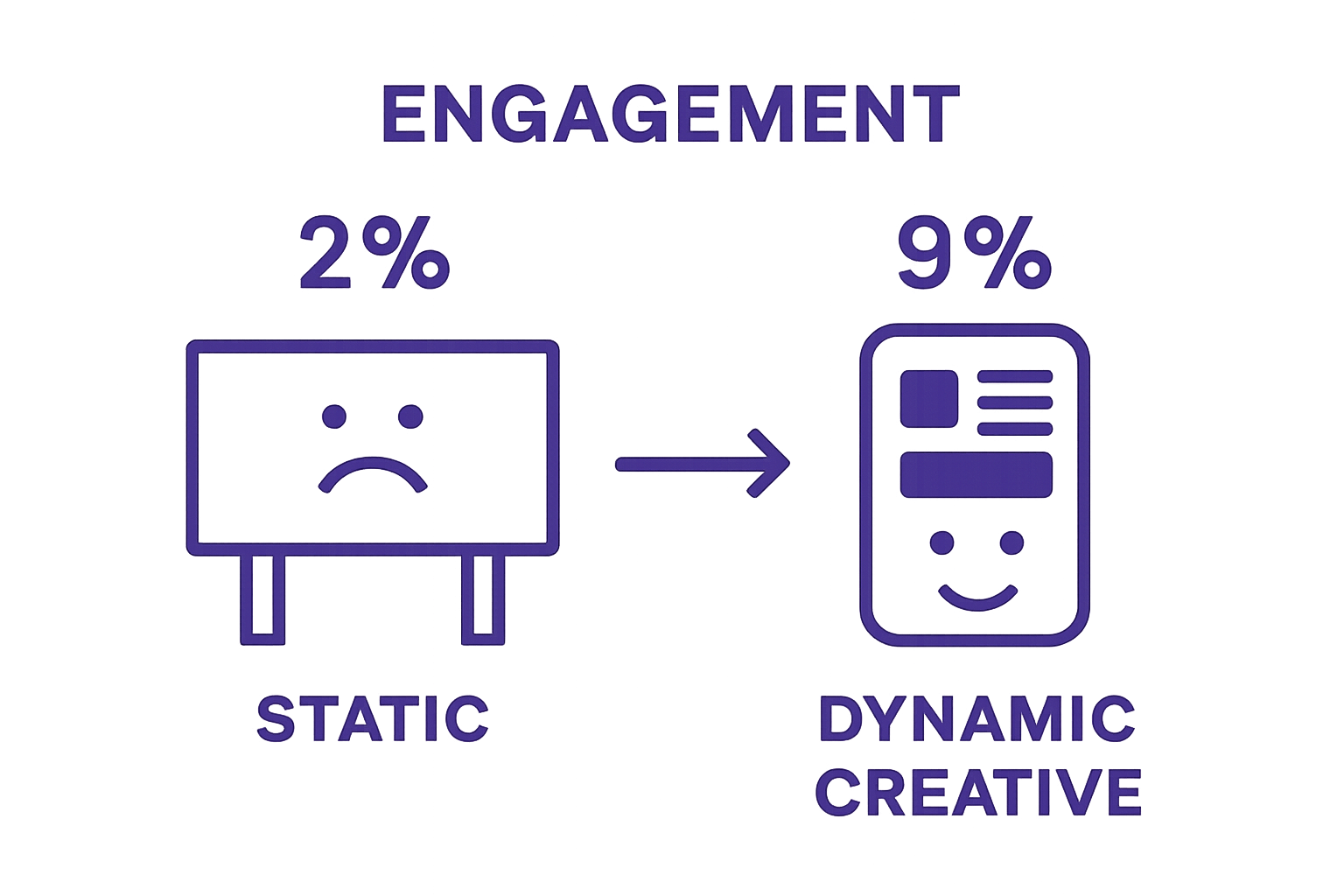
According to research on digital content optimization, dynamic creative optimization (DCO) enables marketers to serve personalized advertisements that dramatically improve engagement rates by tailoring content precisely to individual user profiles.
Performance and Targeting Capabilities
Dynamic creative excels in delivering hyper-personalised marketing experiences by dynamically assembling advertisement components. These components might include text, images, calls-to-action, and product recommendations that automatically reconfigure based on:
- User browsing history
- Geographic location
- Device type
- Previous interaction data
- Real-time contextual signals
By continuously analysing and responding to user data, dynamic creative transforms traditional advertising from a static, one-size-fits-all approach into an intelligent, responsive marketing strategy that speaks directly to individual consumer needs and preferences.
To help clarify the different technological components at the heart of dynamic creative, the table below summarises the core features, their roles, and the advantages they bring to marketing strategies.
| Feature | Description | Primary Benefit |
|---|---|---|
| Data Integration | Aggregates user data from numerous sources | Enables precise audience targeting |
| Content Variability | Generates multiple creative versions of adverts | Maintains freshness and relevance |
| Real-time Adaptation | Instantly selects and displays relevant ad elements | Increases engagement and conversion |
| Predictive Content Matching | Matches content to user intent using algorithms | Boosts content personalisation |
| Continuous Performance Tracking | Monitors and analyses ad results in real time | Allows ongoing optimisation |
| Creative Asset Reconfiguration | Alters ad components based on context and performance | Reduces ad fatigue, increases diversity |
The Importance of Dynamic Creative in Mobile Marketing
Mobile marketing represents a critical frontier for digital advertising, with dynamic creative playing an increasingly pivotal role in capturing user attention and driving engagement. As mobile users become more discerning and technology evolves, marketers must adapt their strategies to deliver personalised, contextually relevant experiences that resonate instantly.
Enhancing User Engagement through Personalization
Dynamic creative transforms mobile advertising by enabling unprecedented levels of personalization. Explore advanced creative techniques that leverage artificial intelligence to revolutionize mobile marketing strategies.
The strategic importance of dynamic creative in mobile marketing emerges from several key capabilities:
- Instant Contextual Relevance: Adapting content in real-time based on user data
- Increased Conversion Potential: Tailoring messages to individual user preferences
- Reduced Ad Fatigue: Presenting diverse, engaging content that maintains user interest
According to research on mobile advertising, mobile ad spend in the United States reached $137.13 billion in 2022, underscoring the massive potential and competitive landscape of mobile marketing.
Performance Optimization and User Experience
Dynamic creative goes beyond simple personalization by continuously optimizing ad performance through sophisticated algorithmic processes. These processes analyse user interactions, behavioural patterns, and contextual signals to generate advertisements that are not just targeted, but predictively responsive.
Key performance benefits include:
- Improved click-through rates
- Enhanced user engagement metrics
- More efficient advertising spend
- Reduced advertising waste
By integrating advanced data analysis with creative flexibility, dynamic creative represents a sophisticated approach to mobile marketing that speaks directly to individual user needs, preferences, and momentary contexts.

How Dynamic Creative Works: Mechanisms Behind the Scenes
Dynamic creative operates through a sophisticated ecosystem of data processing, machine learning algorithms, and real-time content generation that transforms traditional advertising into an intelligent, responsive marketing approach. By integrating multiple technological components, dynamic creative systems create a seamless, adaptive experience that responds instantly to user interactions and contextual signals.
Data Collection and Processing Architecture
Discover the science behind creative optimization and understand how advanced technologies transform marketing strategies. The foundational mechanism of dynamic creative relies on comprehensive data aggregation from multiple sources, including:
- User Behavioural Data: Browsing history, interaction patterns
- Contextual Information: Location, device type, time of day
- Historical Performance Metrics: Previous ad engagement rates
According to research on neural network approaches, advanced algorithms process these complex datasets through sophisticated machine learning models that can predict and generate highly personalized content with remarkable precision.
Real-time Content Generation and Optimization
The core technological innovation in dynamic creative lies in its ability to instantaneously assemble and modify advertisement components. This process involves several intricate steps:
- Rapid data analysis
- Predictive content matching
- Immediate creative asset reconfiguration
- Continuous performance tracking
These algorithmic processes enable dynamic creative systems to generate multiple creative variations, testing and adapting in milliseconds to maximize user engagement and conversion potential. By continuously learning from each interaction, the system becomes progressively more sophisticated in understanding and anticipating user preferences.
The technological infrastructure behind dynamic creative represents a quantum leap in marketing technology, transforming advertising from a static, one-dimensional communication channel into an intelligent, responsive, and deeply personalized user experience.
Real-World Applications of Dynamic Creative in Gaming
Dynamic creative has emerged as a transformative technology in the gaming industry, revolutionising how game developers and marketers engage with players through highly personalised, contextually adaptive experiences. By integrating sophisticated data analysis and real-time content generation, dynamic creative enables unprecedented levels of user interaction and engagement within gaming environments.
In-Game Advertising and Monetization Strategies
Explore innovative AI-driven creative strategies that are reshaping mobile game marketing approaches. Dynamic creative in gaming manifests through various advanced applications, particularly in advertising and monetization frameworks:
- Contextual Ad Placement: Inserting personalised advertisements based on player behaviour
- Adaptive Reward Systems: Generating customised in-game rewards
- Personalised Gaming Experiences: Dynamically adjusting game difficulty and content
According to research on gaming and creativity, dynamic creative elements can significantly influence players’ imagination and engagement, transforming traditional gaming interactions.
Player Experience Enhancement
The implementation of dynamic creative in gaming goes beyond mere advertising, fundamentally reimagining player experiences through intelligent, responsive design. Key technological innovations include:
- Real-time character customization
- Adaptive narrative generation
- Personalised skill progression
- Dynamic environmental modifications
These mechanisms allow game developers to create living, breathing game worlds that respond uniquely to each player’s interactions, preferences, and play style. By continuously analysing player data and generating contextually relevant content, dynamic creative transforms gaming from a static experience into a deeply personalized, evolving interactive journey.
The following table outlines the main real-world applications of dynamic creative within gaming, distinguishing the advertising and player experience domains to highlight the practical impact on both engagement and revenue strategies.
| Application Area | Example Use Case | Marketing Impact |
|---|---|---|
| In-game Advertising | Personalised ad placement based on behaviour | Higher user engagement, revenue |
| Adaptive Reward Systems | Customised in-game incentives | Greater player retention |
| Dynamic Difficulty | Adjusting challenge levels dynamically | More personalised player journey |
| Character Customisation | Real-time avatar adjustment | Strengthened player connection |
| Narrative Generation | Context-driven storyline progression | Enhanced immersion and replay value |
Future Trends in Dynamic Creative for Mobile Marketing
The landscape of mobile marketing is undergoing a radical transformation, with dynamic creative technologies poised to redefine how brands interact with consumers. As artificial intelligence and machine learning continue to advance, the future of dynamic creative promises increasingly sophisticated, hyper-personalised marketing experiences that adapt in real-time to individual user contexts and preferences.
Artificial Intelligence and Predictive Personalisation
Discover emerging mobile gaming trends that are reshaping the digital marketing ecosystem. The next generation of dynamic creative will leverage advanced AI capabilities to create unprecedented levels of personalisation:
- Predictive Content Generation: AI algorithms generating contextually relevant ad content
- Emotional Response Mapping: Understanding and anticipating user emotional states
- Hyper-Granular Targeting: Micro-segmentation beyond traditional demographic boundaries
According to research on digital advertising creativity, programmatic creative technologies will enable marketers to assemble advertisement components dynamically, tailoring every aspect of the ad to individual user profiles.
Emerging Technologies and Interaction Paradigms
The future of dynamic creative extends beyond traditional advertising formats, introducing innovative interaction models that blur the lines between content, advertising, and user experience:
- Augmented reality integration
- Voice-activated dynamic content
- Biometric response-driven personalisation
- Contextual ambient advertising
These technological advancements represent more than incremental improvements; they signify a fundamental reimagining of how brands communicate with consumers, transforming marketing from a passive broadcast medium to an intelligent, responsive dialogue that anticipates and meets individual user needs with unprecedented precision.
Take Control of Dynamic Creative Without the Usual Hassle
Do you feel held back by costly, time-consuming processes when developing dynamic creative for your marketing campaigns? If you are struggling to create truly personalised, interactive ads that adapt in real time—without burning through resources—then you are not alone. The article has shown that leveraging dynamic creative is crucial, but traditional methods can drain both your budget and your development team’s energy. That is where our no-code solution comes in. Discover how you can build dynamic, interactive ads fast at PlayableMaker and break free from the old, restrictive ways.
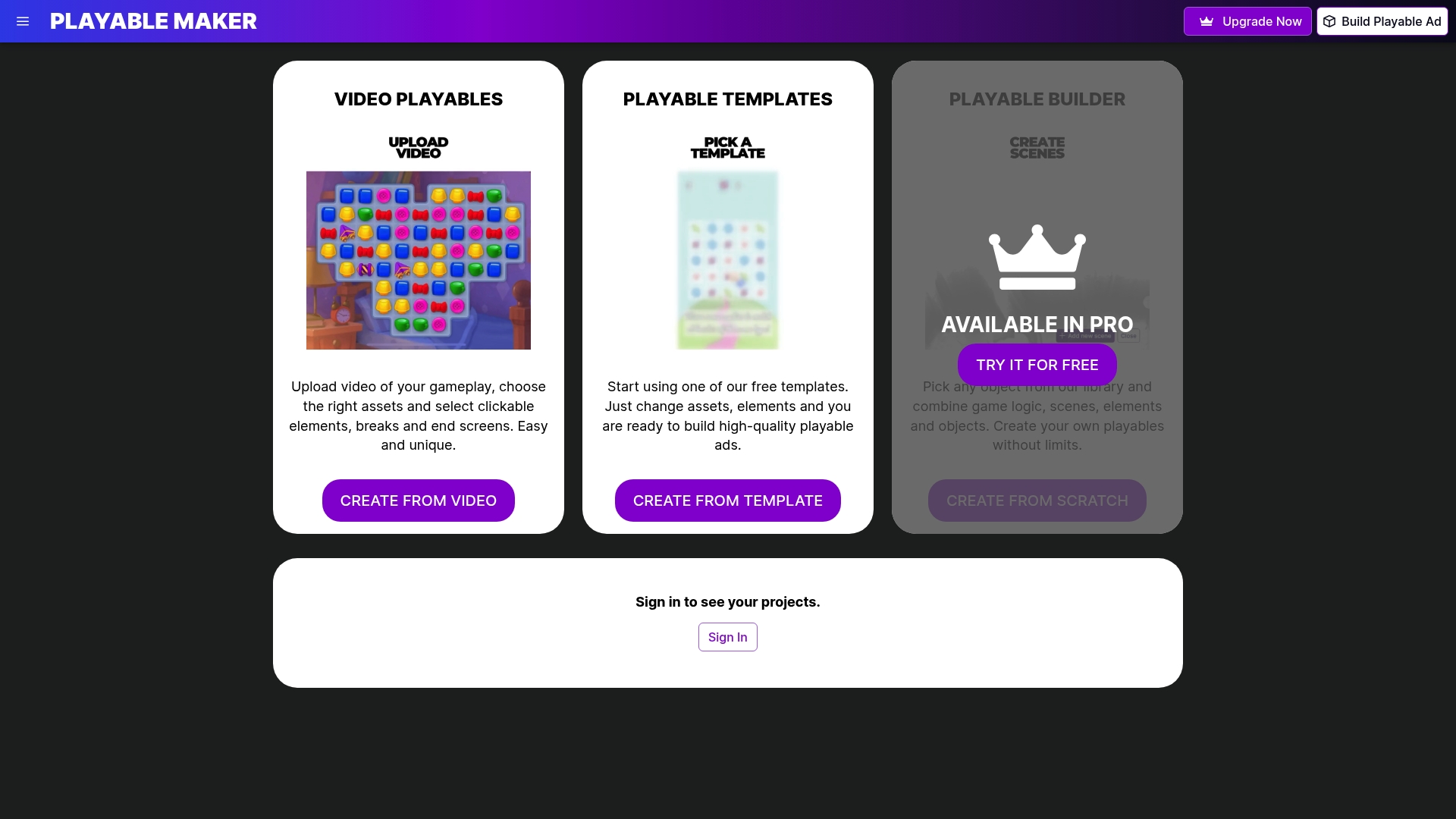
Why wait to unlock the real value of dynamic creative in your marketing? With PlayableMaker, you can deliver personalised, adaptive experiences without coding or massive overheads. Start now and join marketers who are transforming their campaigns through fast, flexible ad creation. Explore more advice or support in our Help section or see how our approach can empower your publishing efforts in Publishing. Visit PlayableMaker to begin today.
Frequently Asked Questions
What is dynamic creative in marketing?
Dynamic creative is an advanced marketing approach that enables real-time personalisation and adaptive content delivery, allowing advertisements to be tailored based on user characteristics, behaviour, and context.
How does dynamic creative enhance user engagement?
Dynamic creative enhances user engagement by adapting content in real-time to suit individual user preferences, which helps maintain interest and reduce ad fatigue by providing diverse and relevant advertisements.
What are the key components of dynamic creative?
The key components of dynamic creative include data integration, content variability to create multiple ad variations, and real-time adaptation to serve the most relevant ad elements based on user data.
How does dynamic creative optimisation impact advertising performance?
Dynamic creative optimisation (DCO) significantly improves advertising performance by increasing click-through rates and conversion potential, ensuring that ads are relevant and engaging for individual users.
Recommended
- What is a Creative Manager? Understanding Their Role – playablemaker.com
- Understanding the Role of Creative Director in Gaming – playablemaker.com
- The Science and Foundation of Playable Ad Creativity – playablemaker.com
- AI in creative process and ideation in mobile games campaigns – playablemaker.com