Early Examples and Viral Formats
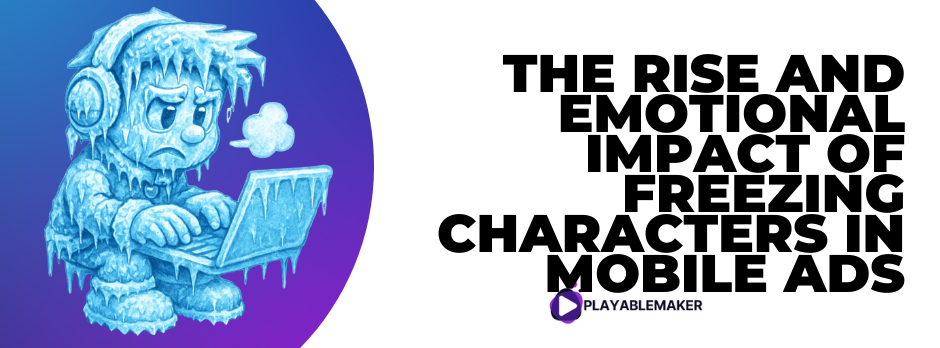
Mobile ads that show freezing characters—avatars shivering in icy settings or facing dangerous situations—became popular when mobile puzzle and rescue games gained attention. Early ads appeared in campaigns for escape and survival games. In these ads, trailers showed characters trapped in freezing rooms or exposed to cold weather. These ads spread quickly on social media. People shared them on platforms like Reddit and Twitter, often turning them into memes and discussing them in comments. The clear and urgent situations in these ads made them easy to recognize. Because of this, the “freezing character” started to represent games with high-stakes and strong emotional scenes.
The Emotional Hook: Why Audiences Respond
Freezing characters in mobile ads use psychological triggers to catch your attention and make you want to respond. Research shows that signs of distress in ads—like shivering, anxious faces, and clear signs of weakness—make viewers feel empathy and concern. When you see a character in danger, your thoughts and feelings work together. You start to care about the character and want to help them. Social psychology calls this an “appeal to emotion.” These ads focus on making you feel emotions such as pity, urgency, and hope for a rescue, instead of using logical arguments. This strong emotional draw helps you remember the ad and encourages you to interact with it, play the game, or download it. This response supports the main goal of the advertisement.
From escape puzzles to dramatic rescue games, mobile ads showing freezing characters have become common on social media. They stand out because they prompt quick emotional reactions and encourage people to share or try the game.
The Psychology Behind Freezing Characters
Empathy and the Urge to Help
When you see freezing characters in mobile ads, your brain activates empathy—the ability to recognize and feel another person’s emotions. Empathy depends on special brain cells called mirror neurons. These neurons react when you notice pain or discomfort in others. So, if you watch a virtual character shivering and looking distressed, your mirror neurons can make you feel concern or a sudden need to help (Hui et al., 2019; Li et al., 2025). This reaction connects to a natural human tendency called prosocial behavior, which means wanting to help others. Because of this, you might feel motivated to interact with the ad or download the game to support the character.
The Power of Visual Distress in Advertising
Ads use visual signs of distress—like shaking, blue skin, and worried facial expressions—to send strong nonverbal messages. These signals quickly catch your attention and stir up emotions (Psychology Today, 2021). In mobile advertising, this method works because it triggers a fast, instinctive reaction instead of slow, logical thinking. The urgency you feel when you see a freezing character comes from deep evolutionary wiring. People instinctively react to others in distress, especially when there is a clear way to help.
How These Scenarios Drive Engagement
Mobile ads with freezing characters turn feelings of empathy into real actions. By showing simple, fixable problems—like saving a cold character—these ads use your emotional response and your wish to make a difference. You might click on the ad or download the game because you want to solve the problem you just saw. This approach combines empathy with interactive features, showing how psychological triggers can boost engagement in mobile advertising.
Animation and Technical Execution of Freezing Effects
Visual Cues and Sound Design: Conveying Cold
When you want to show a freezing effect in mobile ads, you need to use both what people see and what they hear. Animators often apply a blue or cyan color filter to the scene. This instantly tells you the setting is cold. They make character skin look pale by reducing its color, and use soft gradients to create the appearance of frostbite. You might notice characters’ breath, shown as faint, wispy clouds, which signals cold air. On the audio side, sound designers add effects like strong wind, the sound of teeth chattering, and quiet footsteps to make you feel like you are in a cold place.
Simple Animation Tricks for Impact
Animators keep movements bold and clear so you can quickly understand what the characters feel, even in a short ad. They show shivering by making the character’s arms and body move back and forth quickly in short bursts. They repeat these motions to save time and resources. To show ice forming, animators draw icicles slowly appearing and growing on the character’s hands or feet, using see-through layers. Characters’ faces help you recognize distress—wide eyes, clenched teeth, and shaking lips make the cold easy to spot. The “squash and stretch” technique exaggerates these shaking motions, making them more visible on small phone screens.
Game Engine Techniques
Most mobile ads use real-time game engines like Unity or Unreal Engine to create these effects efficiently. Particle systems create falling snow in the background. Special shaders change skin color and add frosty textures in real time. Animators use blend shapes to smoothly switch a character’s face from normal to frozen and distressed. To keep the ad running smoothly, they use texture atlases, which are collections of images stored together, for things like breath clouds and icicles. This saves memory. They also sync sound effects with the animation frames, so the visuals and audio always match up during the short ad.
Combining these animation methods makes freezing effects clear, fast, and eye-catching. This helps the ad stand out and gets the message across quickly to anyone watching on a mobile device.
Marketing Strategies and Ethical Considerations
Emotional Engagement vs. Manipulation
Advertisers often use emotional engagement techniques to make mobile ads more effective. Scientific research shows that emotional content, such as scenes where characters freeze in distress, activates the limbic system in the brain. This part of the brain helps you remember information and respond to it. Marketers design ads that create empathy and a sense of urgency. These ads encourage you to take action, like downloading a game. However, if advertisers exaggerate or mislead you with distressing scenarios, this can take advantage of your emotions. Such practices raise concerns about using emotional strategies in a way that may not be honest.
The Impact on Downloads and Revenue
Studies show a strong link between emotionally charged ads and higher download rates for mobile games. Industry data reports that ads featuring distress themes, like endangered or freezing characters, can increase downloads by 20–40% compared to neutral ads. When ads give you a feeling of responsibility or control, you are more likely to interact with them, click through, and install the game. This approach helps advertisers and game developers earn more revenue, especially in markets where many apps compete for your attention and emotional connections can influence your choices.
Industry Ethics and Guidelines
Advertising industry guidelines focus on being transparent and avoiding misleading emotional marketing. Groups like the Interactive Advertising Bureau (IAB) and national advertising standards authorities require that ads do not trick viewers or cause unnecessary distress, especially to children and other vulnerable groups. Ethical guidelines suggest that marketers should tell honest stories and clearly show what the actual gameplay looks like. Marketers should respect your ability to make choices and avoid crossing the line into psychological manipulation. They should also tell you if the ad’s scenarios are very different from the real game.
When marketers use emotional engagement carefully and follow ethical guidelines, they can create effective campaigns while building trust with users and keeping their reputation strong.
User Reactions and Industry Response
Memes, Parodies, and Social Media Buzz
Freezing character mobile ads have quickly turned into viral entertainment online. You can find many memes and parodies about these ads on platforms like Twitter, TikTok, and Reddit. People often make fun of how helpless the characters seem or how the ads repeat the same scenes. This type of humor helps these ads spread widely and makes them a common topic in online conversations. Sometimes, the jokes and memes even help the games in the ads get more attention.
Complaints, Ad Fatigue, and Criticism
Many users also show frustration toward freezing character ads. People often talk about ad fatigue, which happens when seeing the same ad too many times becomes annoying. Others complain that the ads do not match the actual gameplay or use upsetting images to get attention. Research on how people react to ads on mobile and social media shows that too many or too intrusive ads can make viewers lose interest. This can lead to negative feelings toward both the ad and the brand being advertised.
Regulation and Industry Standards
To respond to these concerns, industry groups and advertising platforms have set rules to reduce misleading, upsetting, or overly repetitive ads. Groups such as the Interactive Advertising Bureau (IAB) and companies like Google Play and Apple App Store have guidelines that require ads to be clear, honest, and sensitive to viewers. Different platforms enforce these rules in different ways, but advertisers now face more pressure to create ads that balance emotional impact with ethical responsibility. As users continue to push back and regulators pay closer attention, these standards influence how mobile ads look and feel.
The Future of Mobile Ad Storytelling
Evolving Tropes and Emotional Hooks
Mobile ad storytelling is changing. You will notice a shift from simple, repetitive story ideas to more complex and emotionally engaging narratives. For example, older ads often used the freezing character trope, where characters stop moving to capture your attention and build empathy quickly. Now, many mobile ads use interactive storytelling that responds to your actions and emotional reactions in real time.
Recent studies in digital marketing show that ads which change based on your emotions and preferences keep you engaged longer. These ads do not rely on repeating the same distress scenarios. Instead, they focus on creating stories that draw you in and adjust to your psychological state. As a result, you experience narratives that feel more personal and immersive.
AI and Personalized Ad Experiences
Artificial intelligence (AI) is making mobile ad storytelling more personal. AI systems collect and analyze information about you. This can include how you play mobile games, your age group, and even how you react to certain scenes in ads. With this data, AI can create ad content that fits your interests in real time.
Research from the Journal of Business Research shows that ads with AI-powered, adaptive characters and situations get higher click-through and conversion rates than ads that do not change for each viewer. As AI technology improves, you will see ads that not only match your interests but also tell stories that connect with you emotionally. For example, future “freezing character” ads might update the scenario, visuals, and emotional tone based on your unique profile. This approach lets marketers create ads that better match your feelings and interests while considering ethical standards in mobile marketing.
FAQs: Freezing Characters in Mobile Ads
What are “freezing characters” in mobile ads?
Freezing characters are animated figures that you often see shivering or trapped in ice within mobile game ads. These characters usually appear distressed. The ads use this imagery to make you feel a sense of urgency, encouraging you to play the game so you can help or rescue the character.
Why do so many mobile game ads use distress scenarios?
Distress scenarios, like freezing characters, connect with psychological triggers such as empathy and the natural desire to help others. Studies in advertising psychology have found that when you see emotionally charged situations, you pay more attention and are more likely to interact with the ad.
Are freezing character ads effective at driving downloads?
Industry reports and case studies show that ads featuring characters in distress, including freezing, often achieve higher click-through rates and more downloads. Because these ads create a strong emotional reaction, you are more likely to remember them and feel motivated to try the game.
What psychological tricks do these ads use?
These ads use empathy, urgency, and visual distress signals to engage you. Examples include exaggerated shivering, characters asking for help, and countdowns for rescue. These techniques activate your brain’s response to others’ emotions and encourage you to act.
How are freezing effects animated in mobile ads?
Animators use simple techniques to show freezing effects. They often add blue colors, shaky movements, visible breath, and sound effects like wind or teeth chattering. These details quickly signal cold and vulnerability to you, using few animation resources but creating a strong emotional response.
Are there ethical concerns with emotional manipulation in ads?
People continue to debate the ethics of using distress and manipulation in mobile ads. Some critics say these tactics take advantage of emotional weaknesses, especially in children. Industry guidelines suggest limiting the use of fear or distress in ads to avoid causing harm.
How do users typically respond to freezing character ads?
Reactions to these ads vary. Some users find the ads interesting and easy to remember. Others feel tired of seeing them or criticize them for being manipulative. Many social media posts parody these ads, which increases their visibility but also leads to more public discussion about their use.
Are there regulations governing emotional content in mobile ads?
Many regions have advertising standards that address emotional manipulation. These rules require that ads do not cause excessive distress or fear, especially for children. Regulatory agencies and app platforms can step in if ads break these guidelines.