Did you know interactive mobile ads can lift user acquisition rates by up to 40 percent compared to traditional videos? The mobile gaming industry now thrives on creative advertising that truly pulls players in, turning ordinary promotions into memorable mini experiences. With new formats like playable demos, reward incentives, and emotional storytelling, game marketers have discovered fresh ways to connect, inspire, and entertain—making every ad, and every second, count.
Quick Summary
| Takeaway | Explanation |
|---|---|
| 1. Use Interactive Playable Ads | Engage users by allowing them to experience gameplay directly through ads. This leads to higher user acquisition rates. |
| 2. Implement Rewarded Video Ads | Encourage voluntary ad viewing by offering in-game rewards, significantly boosting user engagement and retention. |
| 3. Craft Compelling Storytelling Ads | Use narratives in ads to create emotional connections, transforming marketing into engaging experiences that attract players. |
| 4. Design Effective Teaser Trailers | Create mysterious, intriguing trailers that spark curiosity and encourage potential players to seek out more information. |
| 5. Personalize User Ad Experiences | Leverage data to create tailored advertisements that resonate with individual player preferences, enhancing conversion rates. |
Table of Contents
- Interactive Playable Ads: Engaging Users Instantly
- Rewarded Video Ads: Boosting User Participation
- Storytelling Ads: Building A Connection
- Teaser Trailers: Creating Curiosity Fast
- Social Proof Ads: Leveraging Player Reviews
- Challenge-Based Ads: Encouraging Friendly Competition
- Personalized Ad Experiences: Increasing Conversion Rates
1. Interactive Playable Ads: Engaging Users Instantly
Interactive playable ads represent a groundbreaking approach to mobile game marketing that transforms passive viewing into an immersive user experience. These dynamic advertisements allow potential players to sample gameplay mechanics directly within the ad itself.
When users encounter a playable ad, they transition from being mere observers to active participants. This instant engagement mechanism taps into fundamental psychological principles of interactive learning and experience. By providing a miniature preview of game dynamics, playable ads dramatically reduce the cognitive distance between advertisement and actual gameplay.
Why Playable Ads Work
Traditional mobile game advertisements rely on passive video clips or static imagery. In stark contrast, interactive playable ads invite users to experience the game firsthand. This approach eliminates speculation about gameplay and provides an immediate, tangible sense of the game’s core mechanics, aesthetic, and entertainment value.
The scientific rationale behind playable ads is rooted in experiential learning theory. When users physically interact with a game snippet, they create a direct neural connection with the product. This hands on interaction triggers multiple sensory engagement points:
- Cognitive engagement through gameplay challenges
- Emotional response based on immediate game experience
- Motor skill interaction through touch based controls
Read more about interactive ad mechanisms that transform user acquisition strategies.
Research indicates that interactive ads can increase user acquisition rates by up to 40% compared to traditional video advertisements. The key is creating a micro experience that feels authentic, challenging, and immediately gratifying. Successful playable ads distill complex game experiences into bite sized, compelling interactions that make users think “I want to play more.”
For mobile game developers and marketers, this means crafting advertisements that are not just promotional tools but mini entertainment experiences in their own right. The goal is to design a 15 to 30 second interaction that captures the essence of your game while providing genuine enjoyment.
2. Rewarded Video Ads: Boosting User Participation
Rewarded video advertisements represent a revolutionary approach to mobile game monetisation that transforms traditional advertising from an interruption into an opportunity. These strategic ad formats allow users to voluntarily watch a short video in exchange for tangible in game benefits.
According to research from Business of Apps, rewarded video ads can dramatically improve user engagement and retention. In fact, these ads can increase user retention by four times and make players four times more likely to make in app purchases. This represents a significant shift in how mobile game developers approach user acquisition and monetisation strategies.
How Rewarded Video Ads Function
The core mechanism of rewarded video ads is simple yet powerful. Players are presented with a clear value proposition: watch a short advertisement and receive an immediate in game reward. These rewards might include:
- Extra gameplay lives
- Special power ups
- Rare in game currency
- Unique character skins
Learn more about creative ad formats for mobile marketers that can transform user engagement.
As Google AdMob highlights, this approach creates a win win scenario. Users receive tangible value for their time, with 50% reporting they would be less satisfied without such advertising options. Developers simultaneously generate revenue and maintain positive user experiences.
The psychological brilliance of rewarded video ads lies in their voluntary nature. Unlike intrusive advertisements that disrupt gameplay, these ads are an opt in experience. Players make a conscious choice to engage, which reduces perceived friction and increases overall satisfaction.
For mobile game developers, the strategy is clear. Design rewarded video ads that offer meaningful value, maintain high quality creative content, and align closely with your game experience. The potential rewards extend far beyond immediate ad revenue towards building a more engaged and loyal player base.
3. Storytelling Ads: Building a Connection
Storytelling advertisements transform passive marketing into an immersive narrative experience that captivates potential users beyond traditional promotional techniques. These strategic advertisements craft compelling narratives that invite viewers into an emotional journey rather than simply presenting product features.
The emerging concept of ‘advertainment’ represents a sophisticated approach to mobile game marketing. By treating advertisements as episodic storytelling platforms, developers can create deeper emotional connections with potential players. This method goes far beyond conventional advertising by transforming promotional content into engaging mini narratives.
The Psychology of Narrative Engagement
Human brains are neurologically wired to process information through stories. When an advertisement presents a narrative arc with characters, challenges, and potential resolutions, viewers become emotionally invested. This psychological mechanism transforms advertising from a transactional experience into a meaningful interaction.
Key Storytelling Elements
Successful storytelling advertisements typically incorporate:
- Relatable characters
- Intriguing conflict
- Emotional stakes
- Quick narrative resolution
- Clear connection to game mechanics
Discover more about storytelling techniques in playable ads that can transform user engagement.
Consider the remarkable example of ‘Last War: Survival Game’, which pioneered narrative driven marketing through playable minigame advertisements. By mirroring actual gameplay within their ads and weaving compelling storylines, they transformed potentially mundane promotional content into viral storytelling devices.
For mobile game developers, the strategy is clear. Design advertisements that are not just promotional tools but mini entertainment experiences. Create narratives that provide a glimpse into your game world, spark curiosity, and make potential players feel an immediate emotional connection to your game experience.
4. Teaser Trailers: Creating Curiosity Fast
Teaser trailers represent a sophisticated mobile game marketing technique that transforms traditional advertising into an art of strategic mystery. These short dynamic previews are meticulously crafted to spark intrigue, generate anticipation, and compel potential players to learn more about a game.
The psychological mechanism behind teaser trailers is rooted in human curiosity. By revealing just enough information to provoke questions without providing complete answers, these advertisements activate viewers neural pathways of anticipation and speculation. This approach transforms passive viewing into an active mental engagement.
The Architecture of Curiosity
Effective teaser trailers are not about showing everything but strategically revealing fragments that trigger imagination. They function like narrative puzzles, presenting compelling glimpses that invite viewers to mentally reconstruct the complete experience.
Key Teaser Trailer Characteristics
Successful teasers typically incorporate:
- Dramatic visual hints
- Unexpected gameplay moments
- Cryptic narrative fragments
- High production quality
- Emotional resonance
Explore how mobile gamers want more than just advertisements and understand deeper engagement strategies.
A remarkable example is the marketing approach of Last War: Survival Game. Their teaser style advertisements skilfully hinted at gameplay complexity through meta commentary, generating substantial curiosity. This strategy led to viral uptake and an impressive 12.5 million downloads.
For mobile game developers, the message is clear. Design teaser trailers that are not merely promotional content but cinematic experiences. Create visual narratives that pose questions, spark imagination, and make potential players lean forward with anticipation. The goal is to transform advertising from a interruption into an invitation to explore a new digital world.
5. Social Proof Ads: Leveraging Player Reviews
Social proof advertisements represent a powerful psychological marketing strategy that transforms individual player experiences into compelling promotional content. These advertisements harness authentic user feedback to build credibility and attract potential players through genuine testimonials and real world experiences.
The fundamental principle behind social proof advertising is rooted in human behavioural psychology. People are inherently more likely to trust recommendations from peers rather than traditional corporate messaging. When potential players see real users sharing positive experiences, their perception of the game shifts from skeptical to curious.
The Mechanics of Social Validation
Social proof advertisements work by presenting authentic player narratives that go beyond traditional marketing claims. These narratives might include:
- Actual player screenshots
- Genuine gameplay testimonials
- User generated content
- Real achievement celebrations
- Unfiltered player reactions
Explore strategies for understanding gamification in marketing that can elevate user engagement.
Research suggests the impact of social proof extends far beyond immediate visibility. A compelling study indicates that for every $100 spent on paid campaigns, developers can generate additional organic installs. This demonstrates how visible popularity creates a cascading effect of credibility and interest.
For mobile game developers, the strategy is clear. Collect and curate authentic player experiences that showcase genuine excitement. Highlight diverse player stories that represent different play styles, achievement levels, and player motivations. The goal is to create advertisements that feel less like promotional content and more like genuine community recommendations.
The most effective social proof advertisements do not just show a game they tell a story. They transform statistical data into emotional narratives that make potential players think ‘I could be part of this experience too’.
6. Challenge-Based Ads: Encouraging Friendly Competition
Challenge-based advertisements transform passive marketing into an interactive experience that taps into fundamental human motivations of competition and achievement. These strategic ad formats invite potential players to test their skills, compete against virtual benchmarks, and experience gameplay mechanics before downloading the actual game.
The psychological underpinning of challenge-based advertisements is rooted in our innate desire for mastery and recognition. By presenting advertisements as miniature skill tests, developers can convert what traditionally might be viewed as interruption into an engaging experience that sparks curiosity and competitive spirit.
Competitive Motivation Mechanics
Successful challenge-based ads leverage several key psychological triggers that make players want to participate:
- Immediate skill assessment
- Clear performance metrics
- Potential for improvement
- Tangible reward structures
- Quick feedback loops
Discover lessons from game mechanics to make ads more engaging and transform user acquisition strategies.
Consider the innovative approach of Last War: Survival Game, which used playable minigame advertisements that directly mirrored competitive gameplay mechanics. By framing advertisements as challenges players wanted to attempt, they transformed marketing content into an enticing preview of the game experience.
Rewarded video advertising research suggests that tying challenges to daily tasks or specific competitive objectives can significantly boost player engagement. These strategies create a sense of ongoing progression, encouraging players to return and improve their performance.
For mobile game developers, the message is clear. Design advertisements that are not just promotional tools but compelling mini experiences. Create challenges that are difficult enough to be intriguing but accessible enough to be immediately enjoyable. The goal is to make potential players think ‘I want to prove I can do better’ before they even download the game.
7. Personalized Ad Experiences: Increasing Conversion Rates
Personalized ad experiences represent a sophisticated marketing approach that transforms generic advertising into targeted digital interactions. By leveraging user data and behavioural insights, mobile game developers can craft advertisements that speak directly to individual player preferences and motivations.
The core principle of personalization goes beyond simple demographic segmentation. Modern personalized advertisements create micro experiences that feel uniquely crafted for each potential player, dramatically increasing the likelihood of engagement and conversion.
Personalization Strategies
Effective personalized ad experiences incorporate multiple sophisticated targeting mechanisms:
- Behavioural pattern recognition
- Contextual relevance mapping
- Dynamic content adaptation
- Predictive interest modelling
- Localized cultural resonance
Understand the intricacies of ad targeting mechanics and elevate your mobile game marketing strategy.
A 2025 academic study on mobile app advertising revealed fascinating insights into personalization. The research highlighted that targeted paid advertisements not only drive direct installs but create cross platform spillover effects, enhancing organic conversions across different user acquisition channels.
Playio’s marketing research further emphasizes the power of localization. By tailoring ad experiences to specific regional markets and understanding cultural nuances, developers can significantly improve user acquisition efficiency. The key is creating advertisements that feel intuitive and relevant to each unique audience segment.
For mobile game developers, the message is clear. Move beyond one size fits all advertising. Invest in understanding your potential players deeply. Create ad experiences that feel like personal invitations rather than mass market broadcasts. The most successful personalized advertisements do not just show a game they make players feel seen and understood.
Below is a comprehensive table summarising the advertising strategies discussed throughout the article.
| Ad Type | Description | Key Benefits |
|---|---|---|
| Interactive Playable Ads | Transform passive viewing into immersive experiences where users try the game. | Increase user acquisition by up to 40%; engage users actively. |
| Rewarded Video Ads | Users watch an ad voluntarily for in-game rewards. | Boosts user retention by four times; enhances in-app purchases. |
| Storytelling Ads | Utilises narrative techniques to build emotional connections. | Creates deep engagement; makes promotional content memorable. |
| Teaser Trailers | Short previews designed to spark curiosity and anticipation. | Generates intrigue; transforms ads into cinematic experiences. |
| Social Proof Ads | Leverages player reviews and testimonials. | Builds credibility; increases organic installs. |
| Challenge-Based Ads | Ads that invite users to compete and test skills within the ad. | Encourages engagement and competition; prompts users to download. |
| Personalised Ad Experiences | Tailored ads based on user data and behaviour. | Increases conversion rates; makes ads feel personally relevant. |
Bring Your Mobile Game Ad Ideas to Life Effortlessly
You have just discovered the secrets behind the most powerful mobile game ads and why they actually work. From interactive playable ads to personalised campaigns, the article highlights how hands-on engagement, storytelling and tailored experiences can dramatically boost player acquisition and retention. Yet, turning these creative concepts into reality is often slowed down by complex development, high costs and long production times. This is where many studios struggle to keep pace with fast-changing player expectations and market trends. If you relate to this challenge, you are not alone. Explore our Publishing Archives for more insights from teams who have faced the same hurdles.
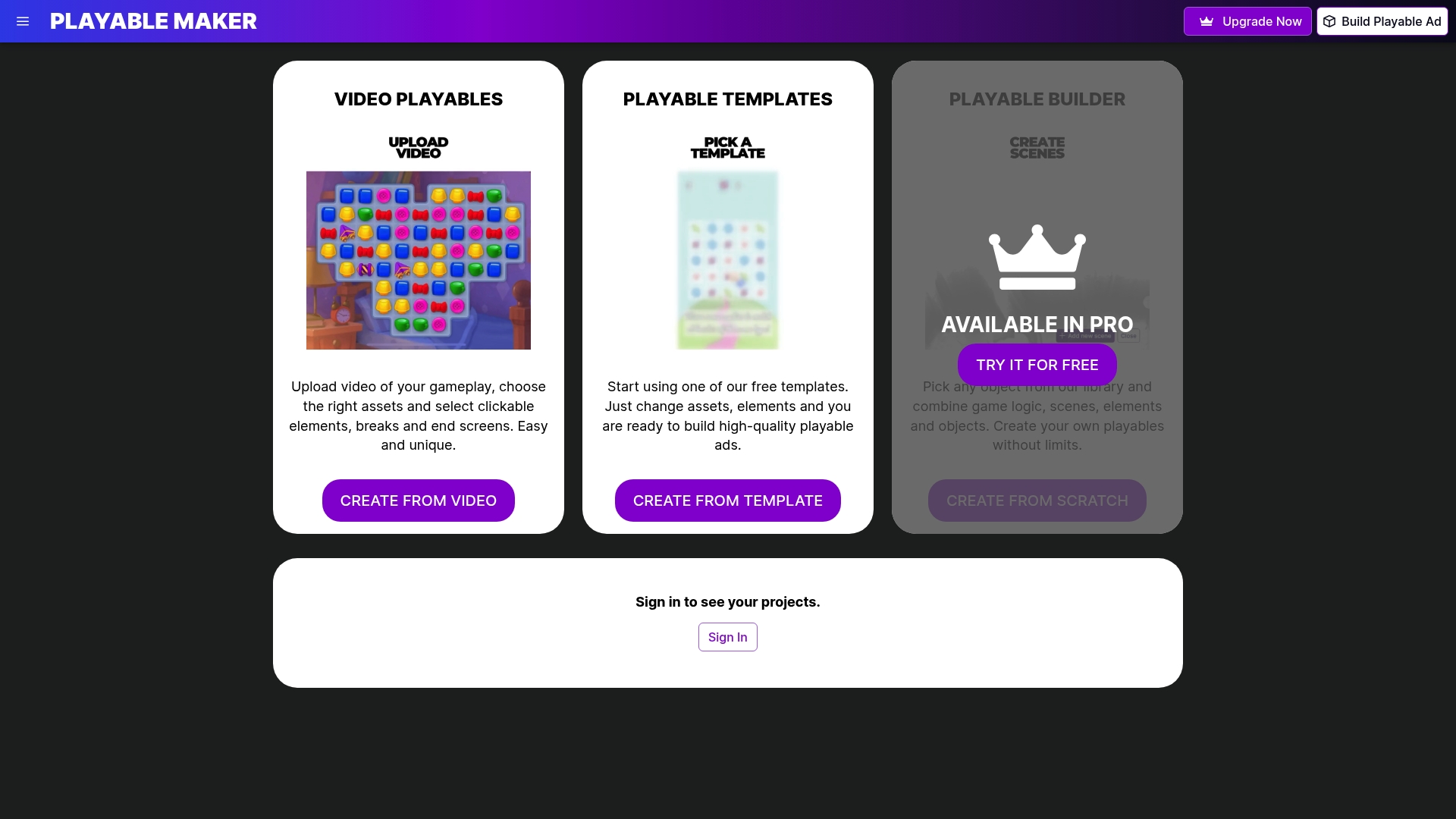
Step into the future of ad creation with PlayableMaker. Build interactive ads quickly using a no-code platform designed for busy marketers and small teams. No more stretching budgets or tying up precious developer resources. Launch your first playable ad now and see how easy it is to attract the right players while staying ahead of your competition. Need a quick start or extra guidance? Visit our Help Centre for friendly support. Now is the time to turn inspiration into action—your next winning ad could be just a click away.
Frequently Asked Questions
What are the main types of mobile game ads that engage users effectively?
Interactive playable ads, rewarded video ads, storytelling ads, teaser trailers, social proof ads, challenge-based ads, and personalized ad experiences are key types. Each format leverages specific psychological triggers to create engaging content, so explore different types to see which best suits your game.
How can I measure the effectiveness of my mobile game ads?
Track metrics such as user engagement rates, conversion rates, and retention levels to assess your mobile game ads’ performance. Set specific benchmarks, and aim to increase positive responses by at least 30% within a marketing cycle.
What elements should I include in storytelling ads for mobile games?
Incorporate relatable characters, intriguing conflict, emotional stakes, and a quick narrative resolution that connects to your gameplay. Craft a concise story that can be effectively communicated in a short ad format, aiming for narratives that evoke curiosity and connection.
How do I create effective teaser trailers for my mobile game?
Focus on generating curiosity by revealing just enough gameplay mechanics and story elements to intrigue potential players. Ensure your teaser lasts between 15-30 seconds and includes high-quality visuals to leave viewers eager for more.
What strategies can I use to personalize mobile game ad experiences?
Utilize user data and behavioral insights to tailor your ads to individual preferences, such as customizing visuals and messaging based on past interactions. Implement these strategies consistently, aiming to improve engagement rates by approximately 25% within your next ad campaign.
How can challenge-based ads enhance player engagement?
Challenge-based ads invite users to compete in skill assessments related to your game, driving interaction and interest. Create fun and accessible challenges, and aim for a participation increase of roughly 40% by incorporating competitive elements into your ad design.
Recommended
- 8 Mobile Ad Best Practices for Successful Campaigns – playablemaker.com 8 Mobile Ad Best Practices for Successful Campaigns
- 7 Creative Ad Formats List Every Mobile Marketer Needs – playablemaker.com 7 Creative Ad Formats List Every Mobile Marketer Needs
- What Two Main Ad Formats Can Be Used in Mobile Gaming? – playablemaker.com What Two Main Ad Formats Can Be Used in Mobile Gaming?
- Understanding Ad Placement Strategy in Mobile Gaming – playablemaker.com Understanding Ad Placement Strategy in Mobile Gaming