
Mobile games might look polished on release, but the real work starts long before anyone sees them on the app store. Over 70 percent of successful mobile games use soft launches to gather data and improve gameplay before going global. You might think these early releases are only for bug fixing and technical tweaks, but they are actually the most powerful way to predict market success and fine-tune strategies for mass appeal.
Table of Contents
- Defining A Soft Launch In The Mobile Gaming Sector
- The Importance Of Soft Launches For User Acquisition
- Mechanics Of How Soft Launches Function
- Key Concepts And Strategies Behind Successful Soft Launches
Quick Summary
| Takeaway | Explanation |
|---|---|
| Soft launches minimise risk | They allow developers to test games in select markets before a global release. |
| Focus on key performance metrics | Developers monitor retention rates, session lengths, and revenue potential to assess success. |
| Targeted market selection is crucial | Choosing markets similar to the target audience provides valuable insights into player behaviour. |
| Predictive modelling enhances user acquisition | Analyzing soft launch data helps forecast user behaviour and long-term engagement. |
| Iterative design improves game quality | Continuous refinement based on user feedback optimises gameplay before full launch. |
Defining a Soft Launch in the Mobile Gaming Sector
In the competitive world of mobile gaming, a soft launch represents a strategic approach that allows developers to test and refine their game before a full global release. According to the Mobile Gaming Playbook, a soft launch involves releasing a game in a limited international market to assess its performance and potential.
The Strategic Purpose of Soft Launches
A soft launch serves multiple critical objectives for mobile game developers. The primary goals include:
- Performance Evaluation: Identifying technical issues and gameplay mechanics before widespread release
- User Behaviour Analysis: Understanding player engagement, retention rates, and initial response
- Monetisation Testing: Assessing in-app purchase patterns and revenue potential
By selecting a smaller market with demographics similar to the target audience, developers can gather valuable insights without risking the entire game’s reputation. Countries like Australia, Singapore, and New Zealand are often preferred for soft launches due to their tech-savvy populations and English-speaking user bases.
Key Metrics and Refinement Process
During a soft launch, developers closely monitor several crucial metrics that will determine the game’s potential success. These typically include:
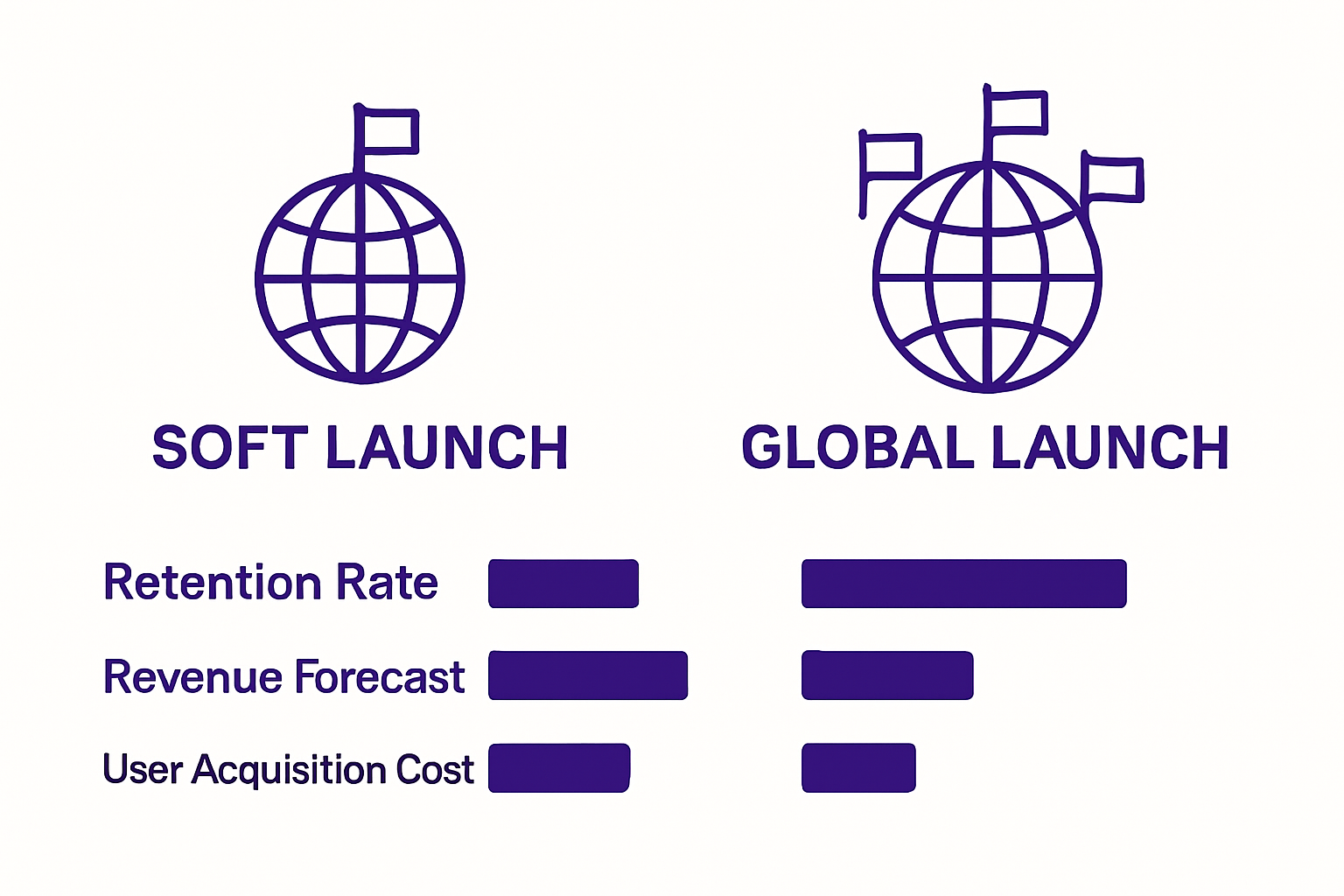
- Retention Rates: How many players continue playing after initial download
- Session Length: Average time users spend engaging with the game
- Conversion Rates: Percentage of players making in-app purchases
- User Acquisition Cost: Expenses related to attracting new players
If the metrics reveal significant challenges, developers can make necessary adjustments to gameplay, monetisation strategies, or technical performance before the full global launch. Read more about game development strategies to understand how soft launches fit into the broader game creation process.
The soft launch strategy transforms game development from a speculative process to a data-driven approach, minimising risk and maximising potential success in the highly competitive mobile gaming market.
The Importance of Soft Launches for User Acquisition
Research in mobile gaming reveals that soft launches are pivotal in understanding and optimising user acquisition strategies. By deploying a game in a controlled environment, developers can gather critical insights that directly impact their ability to attract and retain players on a global scale.
Strategic User Acquisition Intelligence
Soft launches provide unprecedented opportunities for mobile game developers to gain granular understanding of user acquisition dynamics. The process allows teams to collect comprehensive data about player behaviors, preferences, and engagement patterns before investing significant resources in a full global release.
Key strategic advantages include:
- Targeted Marketing Refinement: Understanding which demographic segments respond most positively
- Acquisition Cost Optimization: Identifying the most cost-effective user recruitment channels
- User Persona Development: Creating detailed player profiles based on actual gameplay interactions
Predictive Performance Modelling
By analysing soft launch metrics, developers can build predictive models that forecast user acquisition potential. Explore advanced user acquisition strategies to understand how early testing translates into long-term success.
These predictive models help teams understand:
- Potential User Lifetime Value: Estimating how much revenue a typical user might generate
- Churn Risk Assessment: Identifying factors that might cause players to abandon the game
- Engagement Trajectory: Predicting how players might interact with the game over time
The soft launch becomes a strategic intelligence gathering mission, transforming user acquisition from a speculative endeavour into a data-driven, precise discipline. By understanding player behaviors in a controlled environment, mobile game developers can craft more effective, targeted strategies that maximize player attraction and retention.

Mechanics of How Soft Launches Function
Mobile game design research highlights the intricate mechanics behind successful soft launches. These strategic deployments involve a carefully orchestrated process that transforms game development from speculative guesswork into a precise, data-driven approach.
Geographic and Technical Selection
Soft launches require meticulous selection of both geographical markets and technical infrastructure. Developers strategically choose test markets based on several critical considerations:
- Market Demographics: Selecting regions with user profiles similar to the intended global audience
- Technological Readiness: Ensuring robust mobile infrastructure and smartphone penetration
- Linguistic Compatibility: Choosing markets with similar language or translation capabilities
The technical setup involves creating a limited, controlled version of the game that allows comprehensive performance tracking. This version includes integrated analytics tools designed to capture granular user interaction data.
Data Collection and Performance Metrics
During a soft launch, developers implement sophisticated tracking mechanisms to collect comprehensive performance data. Learn more about advanced user acquisition techniques to understand how these metrics drive decision-making.
Key performance indicators typically monitored include:
- User Acquisition Rate: Speed and cost of attracting new players
- Retention Curves: Player engagement over different time intervals
- Monetisation Conversion: Percentage of players making in-app purchases
- Technical Performance: App stability, loading times, and crash frequencies
The collected data enables developers to make informed adjustments before a full global release, minimising potential risks and optimising the game’s commercial potential.
The following table summarises the key metrics monitored during a mobile game soft launch and outlines their primary purpose within the evaluation process.
| Metric | Description | Purpose |
|---|---|---|
| Retention Rate | Percentage of players who return after download | Assess ongoing player engagement |
| Session Length | Average time users spend in-game per session | Gauge gameplay appeal and user involvement |
| Conversion Rate | Percentage making in-app purchases | Evaluate monetisation potential |
| User Acquisition Cost | Cost to attract a new player | Determine marketing spend efficiency |
| User Acquisition Rate | Speed and cost of bringing in new users | Optimise acquisition channels and campaign timing |
| Retention Curves | Player engagement over different time intervals | Identify engagement patterns and possible drop-off |
| Technical Performance | Stability, loading times, and crash frequency | Ensure optimal technical experience for players |
Key Concepts and Strategies Behind Successful Soft Launches
According to the Mobile Gaming Playbook, successful soft launches are underpinned by strategic planning and nuanced execution. These carefully designed approaches transform game development from a high-risk endeavour into a calculated, intelligent process.
Strategic Market Selection
Choosing the right market for a soft launch is crucial and involves complex considerations beyond simple geographical boundaries. Developers must evaluate multiple dimensions to ensure meaningful insights:
- Cultural Compatibility: Understanding player behaviors and gaming preferences
- Technological Infrastructure: Assessing smartphone penetration and network capabilities
- Economic Representativeness: Selecting markets that mirror the intended global audience
The goal is not just testing the game, but creating a microcosm that accurately represents potential global user interactions.
This table compares the primary strategic and operational considerations for selecting soft launch test markets in mobile gaming.
| Selection Consideration | Description |
|---|---|
| Market Demographics | Regions with user profiles similar to the intended audience |
| Technological Readiness | Mobile infrastructure and smartphone penetration |
| Linguistic Compatibility | Language similarities aiding user experience and localisation |
| Cultural Compatibility | Player behaviours and gaming preferences |
| Economic Representativeness | Markets reflecting intended global audience spending power |
| Technological Infrastructure | Quality of network and device environments |
| Geographical Location | Strategic selection for time zone or regional trends |
Performance Optimization Strategies
Successful soft launches require sophisticated performance optimization techniques. Explore advanced mobile marketing strategies to understand the intricate dynamics of game deployment.
Key optimization strategies include:
- Iterative Game Design: Continuously refining gameplay mechanics based on user feedback
- Targeted Analytics: Implementing granular tracking mechanisms
- Rapid Iteration Cycles: Quickly implementing changes based on collected data
- Predictive Modeling: Using soft launch metrics to forecast global performance
By treating the soft launch as a dynamic, evolving process, developers can systematically reduce risks and enhance the probability of successful global market entry. The approach transforms game development from a speculative venture into a data-driven, strategically managed initiative.
Ready to Optimise Your Soft Launch Insights with Instant Playable Ads?
You have just explored how crucial accurate data and fast iteration are during a soft launch in mobile gaming. But what if creating engaging playable ads was as seamless and efficient as your data-driven launch process? Many developers and marketers find that building interactive ads can drain budgets and resources, slowing down momentum at the very moment you need to adapt quickly to user acquisition trends and feedback. That strain can disrupt your ability to act on valuable soft launch insights.
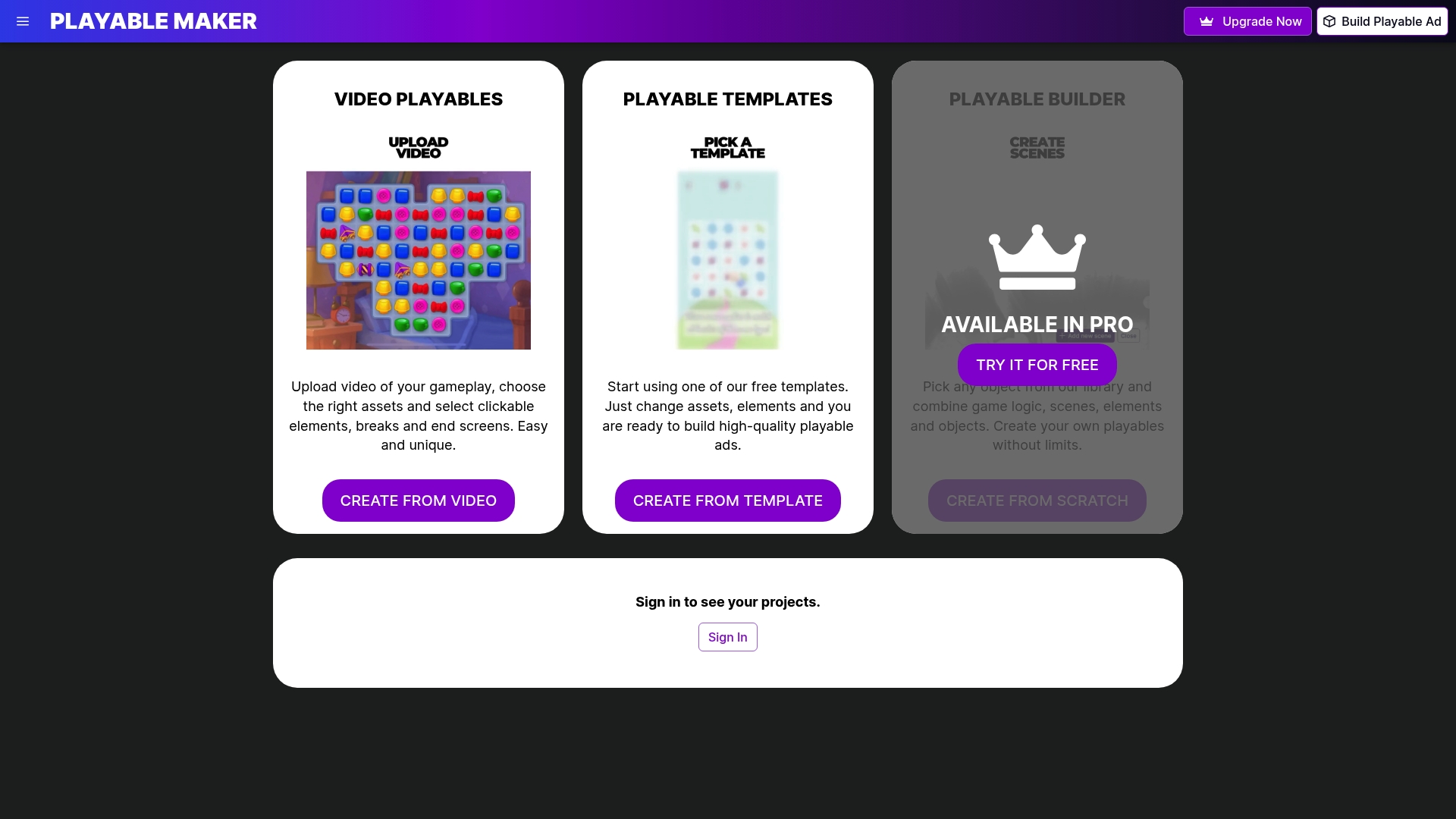
Transform your creative workflow and power up your next user acquisition campaign without coding or high costs. Discover how PlayableMaker lets you build and test high-quality, interactive ads in a fraction of the time. Take the insights from your soft launch and put them to work fast. Visit our main page now and see how easy it is to keep your launch cycle lean, agile, and ahead of the curve.
Frequently Asked Questions
What is the purpose of a soft launch in mobile gaming?
A soft launch allows developers to test and refine their game in a limited market to evaluate performance, user behaviours, and monetisation strategies before a full global release.
How do developers choose markets for soft launching their games?
Developers select test markets based on factors like market demographics, technological readiness, and linguistic compatibility to ensure meaningful insights about player interactions.
What metrics are important to monitor during a soft launch?
Key metrics include retention rates, session lengths, conversion rates, and user acquisition costs, which help developers assess the game’s potential success and make adjustments as needed.
How can soft launches help in user acquisition strategies?
Soft launches provide data-driven insights into player behaviours and preferences, enabling developers to optimise marketing efforts, reduce acquisition costs, and develop detailed user personas for better targeting.
Recommended
- The Nintendo Switch 2: Release, Innovation, and Marketing Strategies – playablemaker.com The Nintendo Switch 2: Release, Innovation, and Marketing Strategies
- Understanding Indie Mobile Game Development – playablemaker.com Understanding Indie Mobile Game Development
- Mobile Gaming News July 2025 – playablemaker.com Mobile Gaming News July 2025
- Mastering Mobile Game User Acquisition Strategies in 2025 – playablemaker.com Mastering Mobile Game User Acquisition Strategies in 2025