Every mobile marketing campaign hinges on how quickly and clearly your creative ideas move from concept to final approval. There is a common belief that most delays come from endless design changes or technical hiccups. Yet nearly 70 percent of creative project slowdowns are caused by a lack of clear workflow and documentation. Nailing your creative approval process might matter far more than fancier graphics or bigger budgets.
Table of Contents
- Step 1: Define Your Creative Brief Requirements
- Step 2: Assemble Your Approval Team
- Step 3: Develop Initial Creative Concepts
- Step 4: Distribute Concepts For Feedback
- Step 5: Refine And Finalise Creative Assets
- Step 6: Document And Monitor Approval Process
Quick Summary
| Key Point | Explanation |
|---|---|
| 1. Craft a detailed creative brief | Outline specific objectives, target audience, and brand guidelines to guide your mobile marketing project effectively. |
| 2. Assemble a focused approval team | Select a lean team with diverse expertise to streamline the feedback and approval process, ensuring timely completion. |
| 3. Develop and evaluate creative concepts | Conduct brainstorming sessions to generate diverse ideas; critically assess concepts against the creative brief for strategic alignment. |
| 4. Distribute concepts for structured feedback | Prepare a clear feedback package and use collaborative tools to gather actionable input from stakeholders efficiently. |
| 5. Maintain thorough documentation and monitoring | Create a centralised record of the approval process to facilitate improvements and streamline future creative workflows. |
Step 1: Define Your Creative Brief Requirements
A creative brief serves as the strategic blueprint for your mobile marketing campaign, establishing a clear roadmap that aligns your entire team’s vision and expectations. Crafting a comprehensive creative brief is crucial for streamlining your creative approval workflow, reducing potential miscommunications and setting precise parameters for your mobile marketing project.
Begin by gathering key stakeholders from marketing, design, and product teams to collaboratively outline the fundamental objectives of your mobile marketing initiative. Your creative brief should articulate specific, measurable goals that will guide the entire creative process. Consider the precise outcomes you want to achieve: Are you aiming to increase user acquisition, improve engagement rates, or introduce a new feature within your mobile app?
The brief must comprehensively detail your target audience’s demographic and psychographic characteristics. Understanding your audience’s preferences, pain points, and motivational triggers will help design creative assets that resonate deeply. Include critical information such as age range, professional background, gaming preferences, and behavioral patterns that influence their mobile interaction choices. Explore insights about creative management to further refine your strategic approach.
Document mandatory brand guidelines that must be adhered to throughout the creative development process. This includes colour palettes, typography preferences, tone of voice, and any specific visual or messaging constraints unique to your brand. By establishing these parameters upfront, you prevent potential revisions and ensure consistency across all creative deliverables.
Finally, establish clear timelines and milestones for your creative approval workflow. Define specific deadlines for initial concept submission, feedback rounds, revisions, and final approval. A well-structured timeline helps manage expectations, allocate resources effectively, and maintain momentum throughout the creative development process. Regularly communicate these timelines to all team members to foster accountability and smooth collaboration.
Successful completion of this step means having a comprehensive, mutually agreed-upon document that serves as the definitive reference point for your mobile marketing creative project.
Below is a checklist table to help ensure that your creative brief for a mobile marketing campaign is comprehensive and sets the project up for success.
| Requirement | Description | Completed (Yes/No) |
|---|---|---|
| Clear Campaign Objectives | Specific, measurable goals articulated in the brief | |
| Target Audience Defined | Demographics, psychographics, and behavioural patterns noted | |
| Brand Guidelines Included | Colour palettes, typography, tone of voice, and constraints | |
| Mandatory Messaging Elements | Required taglines, USPs, or legal disclaimers documented | |
| Timeline and Milestones Set | Key dates for submission, feedback, revisions, and approval | |
| Roles and Responsibilities Assigned | Stakeholder tasks and review responsibilities clarified | |
| Approval and Feedback Framework Outlined | Process for collecting and acting on feedback |
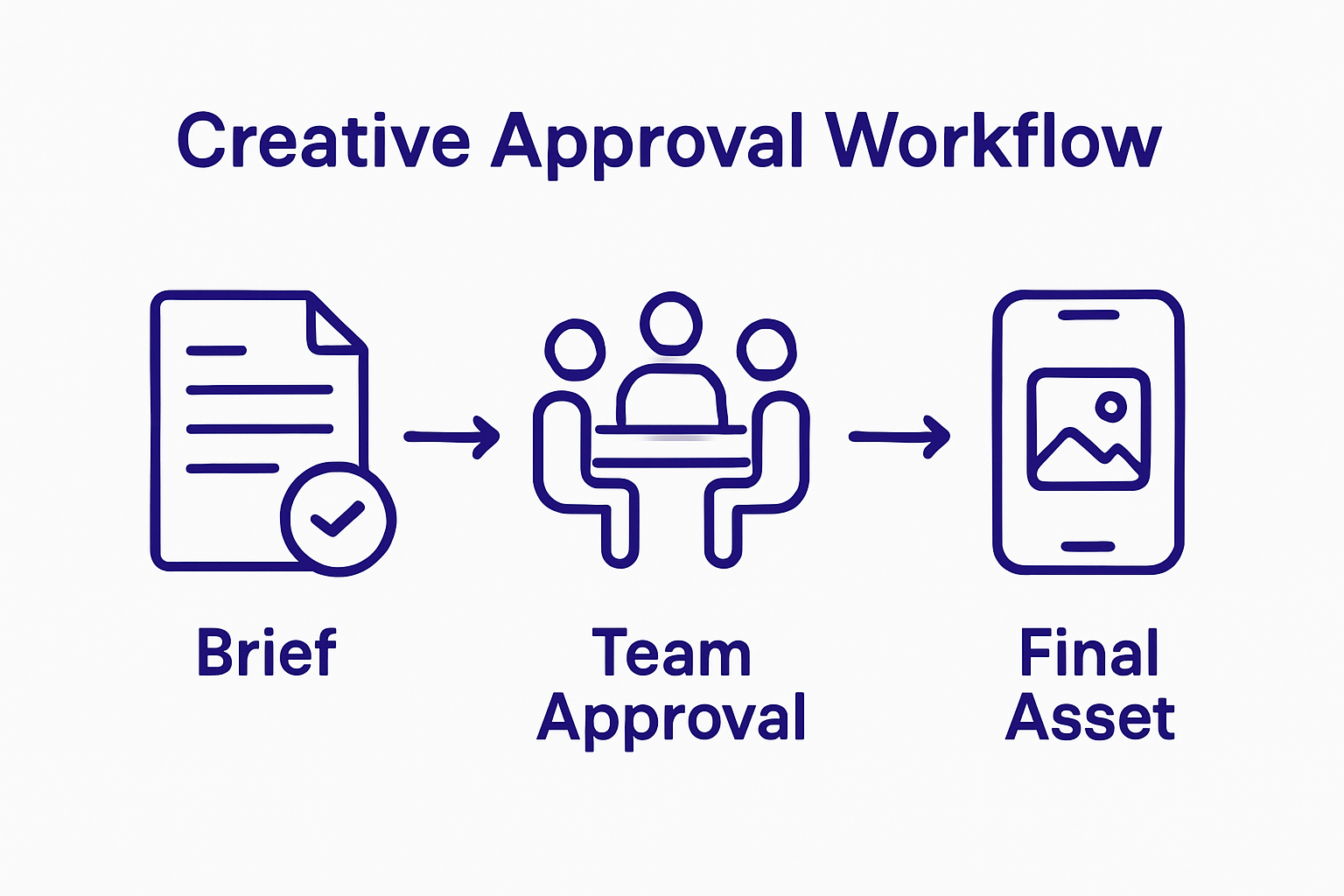
Step 2: Assemble Your Approval Team
Building an effective approval team is critical for streamlining your creative workflow in mobile marketing. The right team composition can dramatically reduce bottlenecks and accelerate project completion. Your approval team should represent a strategic blend of expertise, ensuring comprehensive evaluation from multiple perspectives.
Start by identifying key stakeholders who will play pivotal roles in the creative approval process. This typically includes representatives from design, marketing, product management, legal compliance, and executive leadership. Each team member brings a unique lens to evaluate creative assets, helping to catch potential issues before they escalate. Learn more about creative management roles to understand the nuanced responsibilities within your team.
Define clear roles and decision-making authority for each team member. Establish a hierarchy that specifies who can provide feedback, who has final approval power, and the expected turnaround times for reviews. Some organisations implement a RACI matrix (Responsible, Accountable, Consulted, Informed) to clarify these responsibilities, preventing ambiguity and potential conflicts during the creative process.
Consider the size of your approval team carefully. While comprehensive input is valuable, too many decision-makers can create unnecessary complexity and slow down the workflow. Aim for a lean team of 4-6 members who can represent critical business perspectives while maintaining agility. Select team members who not only understand your brand’s strategic goals but also possess the ability to provide constructive, actionable feedback.
Implement a communication protocol that facilitates smooth information exchange. This might involve regular stand-up meetings, shared digital collaboration tools, or a standardised feedback template that ensures consistent and structured input. Establishing these communication channels upfront helps prevent misunderstandings and keeps the creative approval process transparent and efficient.
Verify your team’s effectiveness by setting initial benchmarks for review speed, feedback quality, and overall project turnaround time. Regularly reassess team dynamics and be prepared to adjust roles or processes if you notice recurring bottlenecks or communication challenges.
The following table summarises the key roles and responsibilities within an effective creative approval team, as discussed for streamlining your mobile marketing workflow.
| Role | Area of Expertise | Primary Responsibility | Decision Authority |
|---|---|---|---|
| Design Representative | Visual Design | Ensures creative assets reflect brand and campaign objectives | Feedback, Visual Approval |
| Marketing Stakeholder | Marketing Strategy | Aligns creative concepts with marketing goals and audience preferences | Feedback, Strategic Input |
| Product Manager | Product Development | Confirms alignment with product features, user experience, and feasibility | Feedback, Feasibility Check |
| Legal Compliance Specialist | Legal/Compliance | Verifies adherence to legal, regulatory, and brand standards | Final Compliance Approval |
| Executive Leadership | Business Direction | Provides overall strategic direction and final project sign-off | Final Approval, Sign-off |
| A successful approval team is adaptable, collaborative, and committed to maintaining high creative standards while supporting project momentum. |
Step 3: Develop Initial Creative Concepts
Developing initial creative concepts represents the pivotal moment where strategic planning transforms into tangible creative potential. This step requires balancing imaginative exploration with strategic alignment, translating your creative brief into compelling initial design directions for mobile marketing.
Begin by hosting a collaborative brainstorming session that brings together your multidisciplinary approval team. Encourage participants to generate multiple concept variations, emphasising quantity and diversity over immediate perfection. Use techniques like mind mapping, rapid sketching, or storyboarding to spark innovative ideas that capture your campaign’s core messaging. Explore innovative approaches to creative ideation to enhance your conceptualisation process.
Evaluate each initial concept against your original creative brief requirements. Critically assess how well each concept addresses target audience preferences, brand guidelines, and campaign objectives. Look beyond surface-level aesthetics and examine the strategic potential of each design. Consider aspects like user engagement potential, emotional resonance, and potential technical implementation challenges specific to mobile marketing platforms.
Develop preliminary mockups or prototype designs that provide a tangible representation of your creative concepts. These initial visualisations need not be polished final products but should offer enough detail to communicate the fundamental creative direction. Utilise design tools that allow quick iterations and collaborative feedback, enabling your team to rapidly refine and evolve concepts.
Establish a structured feedback mechanism where each concept receives structured evaluation. Create a scoring matrix that objectively assesses concepts across predefined criteria such as brand alignment, audience appeal, innovation, and potential conversion impact. This approach transforms subjective creative discussions into more measurable, actionable assessments.
Conduct an initial screening where your approval team collectively reviews and ranks the developed concepts. The goal is not to select a final design but to identify the most promising directions for further development. Be prepared to synthesise multiple concept elements, recognising that breakthrough creative solutions often emerge from combining different innovative approaches.
Successful completion of this step means having a set of well-defined, strategically sound creative concepts that provide a strong foundation for your mobile marketing campaign’s next development phase.
Step 4: Distribute Concepts for Feedback
Distributing creative concepts for comprehensive feedback represents a critical junction in your mobile marketing workflow. This step transforms your initial concepts from internal drafts into strategically evaluated potential solutions. The goal is to gather diverse, constructive perspectives that will refine and strengthen your creative approach.
Begin by preparing a structured feedback package that provides context and clear guidelines for your reviewers. Include the original creative brief, detailed design rationales, and specific areas where you want targeted input. Understand the strategic nuances of creative management to enhance your distribution approach. Ensure each team member receives materials that enable them to provide meaningful, actionable feedback.
Create a digital collaboration environment that facilitates transparent and efficient review processes. Utilise collaborative platforms that allow real-time annotations, version tracking, and centralised feedback collection. Tools like Figma, InVision, or dedicated creative workflow management software can streamline this distribution and feedback phase. These platforms enable simultaneous reviews, reducing communication delays and ensuring all stakeholders can contribute systematically.
This table outlines recommended digital collaboration tools referenced in the article, along with their purpose and features for use during the feedback and approval process.
| Tool/Platform | Purpose | Key Features |
|---|---|---|
| Figma | Real-time collaborative design and feedback | Live annotations, version tracking |
| InVision | Prototyping and centralised feedback | Commenting, interactive prototypes |
| Workflow Management Software | Streamlining approvals and tracking | Task assignment, analytics, versioning |
| Cloud Collaboration Platforms | Documentation and team sharing | Access control, audit trails, templates |
Establish a clear feedback timeline and communication protocol. Define specific windows for review submission, specifying exact deadlines and expected response formats. Communicate the feedback framework upfront, explaining how suggestions will be evaluated and incorporated. This approach sets clear expectations and helps prevent ambiguous or unhelpful commentary that might derail the creative process.
Encourage reviewers to provide feedback that is constructive, specific, and aligned with the original creative brief. Request input that goes beyond surface-level aesthetic critiques, focusing on strategic alignment, audience engagement potential, and technical feasibility. Prompt reviewers to consider how each concept addresses core marketing objectives and resonates with the target demographic.
Implement a structured feedback collection mechanism that allows for quantitative and qualitative assessment. Consider developing a standardised feedback template that guides reviewers through key evaluation criteria. This might include scoring systems for brand alignment, innovation, potential user engagement, and technical implementation complexity.
Successful completion of this step means having a comprehensive set of structured, actionable feedback that provides clear direction for refining your creative concepts. The distribution process should transform initial designs into more sophisticated, strategically refined marketing assets.
Step 5: Refine and Finalise Creative Assets
Refinement represents the critical transformation stage where initial creative concepts evolve into polished, strategic mobile marketing assets. This step demands meticulous attention to detail and a commitment to aligning creative vision with strategic objectives. Your goal is to systematically incorporate feedback while maintaining the core essence of your original creative concept.
Begin by consolidating and prioritising the feedback received during the previous distribution phase. Not all suggestions are equally valuable, so carefully evaluate each recommendation against your original creative brief and campaign objectives. Discover advanced techniques for generating high-quality creative assets to support your refinement process. Create a comprehensive revision matrix that tracks each piece of feedback, its potential impact, and your team’s proposed resolution.
Establish a structured iteration process that allows for multiple rounds of refinement while preventing endless revisions. Set clear boundaries for the number of revision cycles and define specific checkpoints where decisions must be made. This approach prevents creative stagnation and ensures forward momentum. Use collaborative design tools that enable version tracking, allowing your team to maintain a clear audit trail of changes and maintain accountability throughout the refinement process.
Ensure technical feasibility remains a priority during asset refinement. Verify that your creative assets comply with mobile platform specifications, ad network requirements, and performance optimization standards. Consider factors like file size, loading speed, and cross-device compatibility. Technical constraints should guide your creative decisions without compromising the core strategic vision of your marketing campaign.
Implement a final quality assurance review that goes beyond aesthetic evaluation. This comprehensive check should assess brand consistency, messaging clarity, user experience potential, and alignment with initial campaign objectives. Involve team members who were not directly involved in the previous design iterations to provide fresh perspectives and identify any potential overlooked issues.
Develop a formal sign-off protocol where key stakeholders validate the refined creative assets. This should include representatives from design, marketing, legal, and executive teams. Create a standardised approval document that requires explicit confirmation from each critical team member, ensuring collective accountability and reducing potential future disputes.
Successful completion of this step means having a set of meticulously refined, strategically aligned, and technically sound creative assets ready for final deployment in your mobile marketing campaign.

Step 6: Document and Monitor Approval Process
Documenting and monitoring your creative approval workflow transforms an ad-hoc process into a strategic, repeatable system for mobile marketing success. Comprehensive documentation serves as both a historical record and a blueprint for future creative initiatives, enabling continuous improvement and organisational learning.
Establish a centralised digital repository that captures every stage of your creative approval journey. This documentation should include the original creative brief, iteration notes, feedback summaries, final asset versions, and key decision points. Learn more about managing creative workflows effectively to enhance your documentation strategy. Utilise cloud-based collaboration platforms that provide version control, access management, and comprehensive audit trails.
Develop a standardised documentation template that ensures consistency across different creative projects. This template should capture critical information such as project objectives, stakeholder inputs, approval timestamps, rationale behind design decisions, and performance metrics. By creating a uniform documentation approach, you enable easier knowledge transfer and reduce potential misunderstandings in future creative initiatives.
Implement a robust tracking mechanism to monitor the efficiency of your approval workflow. Calculate key performance indicators like average review times, number of revision cycles, and stakeholder response rates. These metrics will help you identify bottlenecks, streamline communication channels, and continuously optimise your creative approval process. Consider using project management tools that offer real-time analytics and customisable reporting features.
Create a feedback loop that transforms documented insights into actionable improvements. Schedule quarterly reviews where your team analyses the documented approval workflows, identifying patterns, challenges, and potential optimisation opportunities. This reflective practice ensures that your creative approval process evolves alongside your marketing strategies and organisational needs.
Establish clear retention and access protocols for your documentation. Define who can view, edit, and archive project materials. Implement secure, role-based access controls that protect sensitive creative assets while ensuring relevant team members can retrieve historical information when needed. Consider data protection regulations and implement appropriate safeguards to maintain confidentiality.
Successful completion of this step means having a comprehensive, systematically maintained documentation system that serves as an organisational knowledge base, enabling more efficient and strategic creative approvals in future mobile marketing campaigns.
Unlock Seamless Creative Approval and Fast Playable Ad Creation
Struggling to keep your mobile marketing projects on track due to confusing approval workflows and time-consuming asset production? The article highlighted how miscommunications, endless revision cycles, and technical barriers often stall campaign success. If you need help overcoming these bottlenecks and want to boost both speed and quality in creative approvals, our comprehensive Help resources are here for you.
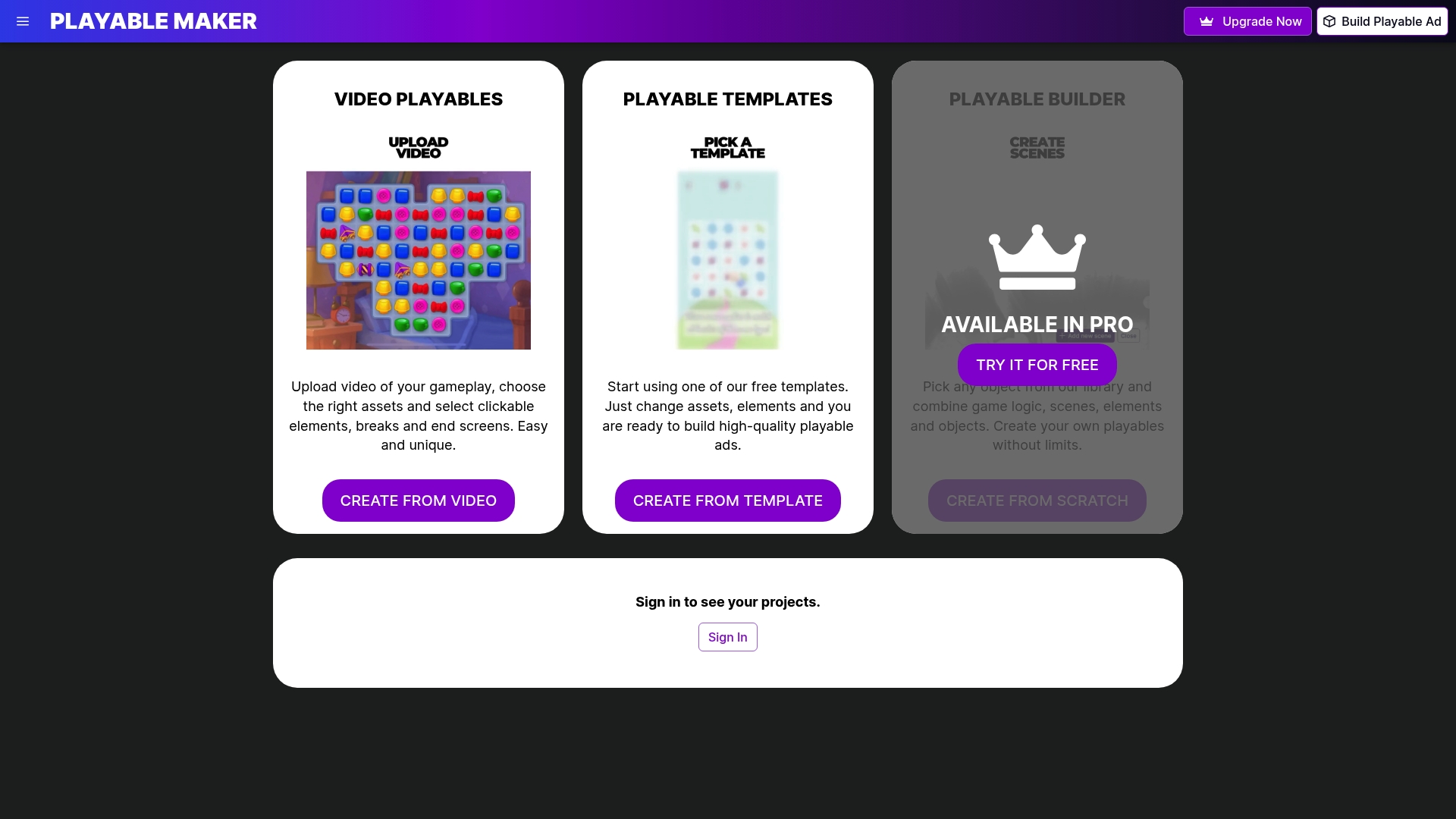
Ready to revolutionise your process and launch engaging playable ads in no time? With PlayableMaker, you can build no-code interactive ads quickly and without breaking the bank. Say goodbye to wasted resources and complicated workflows. Start now and experience how effortless and cost-effective mobile marketing can be.
Frequently Asked Questions
What is a creative brief in mobile marketing?
A creative brief serves as a strategic blueprint that outlines the goals, target audience, and brand guidelines for your mobile marketing campaign. It aligns team expectations and streamlines the creative approval process.
Why is it important to assemble a dedicated approval team?
An effective approval team ensures that multiple perspectives are considered, dramatically reducing bottlenecks and improving workflow efficiency. This team typically includes key stakeholders from design, marketing, and product management to evaluate creative assets comprehensively.
How can I develop initial creative concepts effectively?
To develop initial concepts, organise a collaborative brainstorming session with your approval team. Use creative techniques like mind mapping and rapid sketching to generate diverse ideas that align closely with your campaign objectives and target audience preferences.
What should be included in the feedback process for creative concepts?
The feedback process should include structured guidelines and contexts for reviewers, a clear timeline for submissions, and a mechanism for both quantitative and qualitative assessments. Encourage specific, actionable feedback aligned with the original creative brief to refine your concepts effectively.
Recommended
- Understanding What is Ad Frequency in Mobile Marketing
- marketing Archives
- creative process Archives
- The Foundation and Basics of AB Testing in Mobile App Marketing
- How to Effectively Reach Digital Marketing Audiences